Choose accessible positions
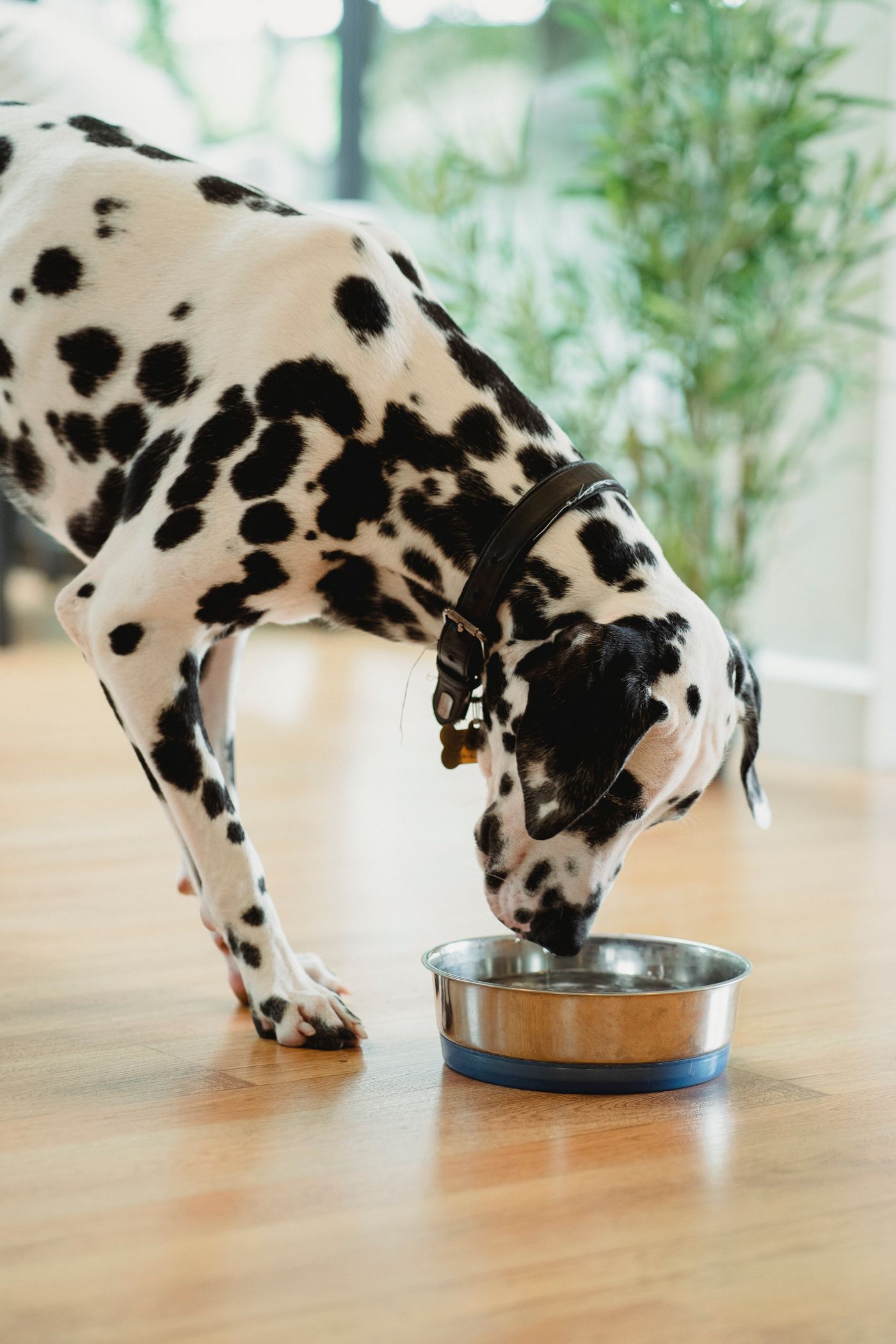
Place a stable water bowl where the dog can reach it without crossing another animal's eating space or a busy doorway. Check that the floor gives secure footing. A bowl pushed into a narrow corner may be awkward for a large dog or a dog who prefers space around their head.
If the dog spends time on different levels or in separate living areas, consider whether additional water access is useful. Do not rely on a closed door remaining open by accident. Keep outdoor bowls out of excessive heat and inspect them for debris, while maintaining reliable indoor access as well.
Build cleaning into an existing task
Choose a regular household moment to wash and refill bowls, such as preparing breakfast. Follow the bowl manufacturer's cleaning instructions and rinse thoroughly. Simply topping up old water repeatedly leaves the bowl itself unclean. Keep a spare available so drinking access continues while one is being washed.
Check during the day for hair, food or other debris and refresh as needed. Wash your hands and keep bowl-cleaning equipment appropriately clean. A dishwasher-safe label applies only when the product instructions say so; decorative or damaged finishes may need different care or replacement.
Observe use without rationing
Notice whether the dog can drink in a relaxed posture and whether other pets block access. Move or add a bowl if competition or household traffic makes drinking difficult. In warm weather or after suitable activity, check availability more often without assuming a single morning refill will last.
Do not restrict water to reduce toilet accidents unless your veterinarian has given specific instructions for a particular medical situation. If drinking changes noticeably or you are concerned, record what you observe and contact the vet. Avoid trying to diagnose from one empty bowl, especially when several animals share it. A practical setup gives dependable access while making changes in ordinary habits easier to notice.