Decide what the rule actually means
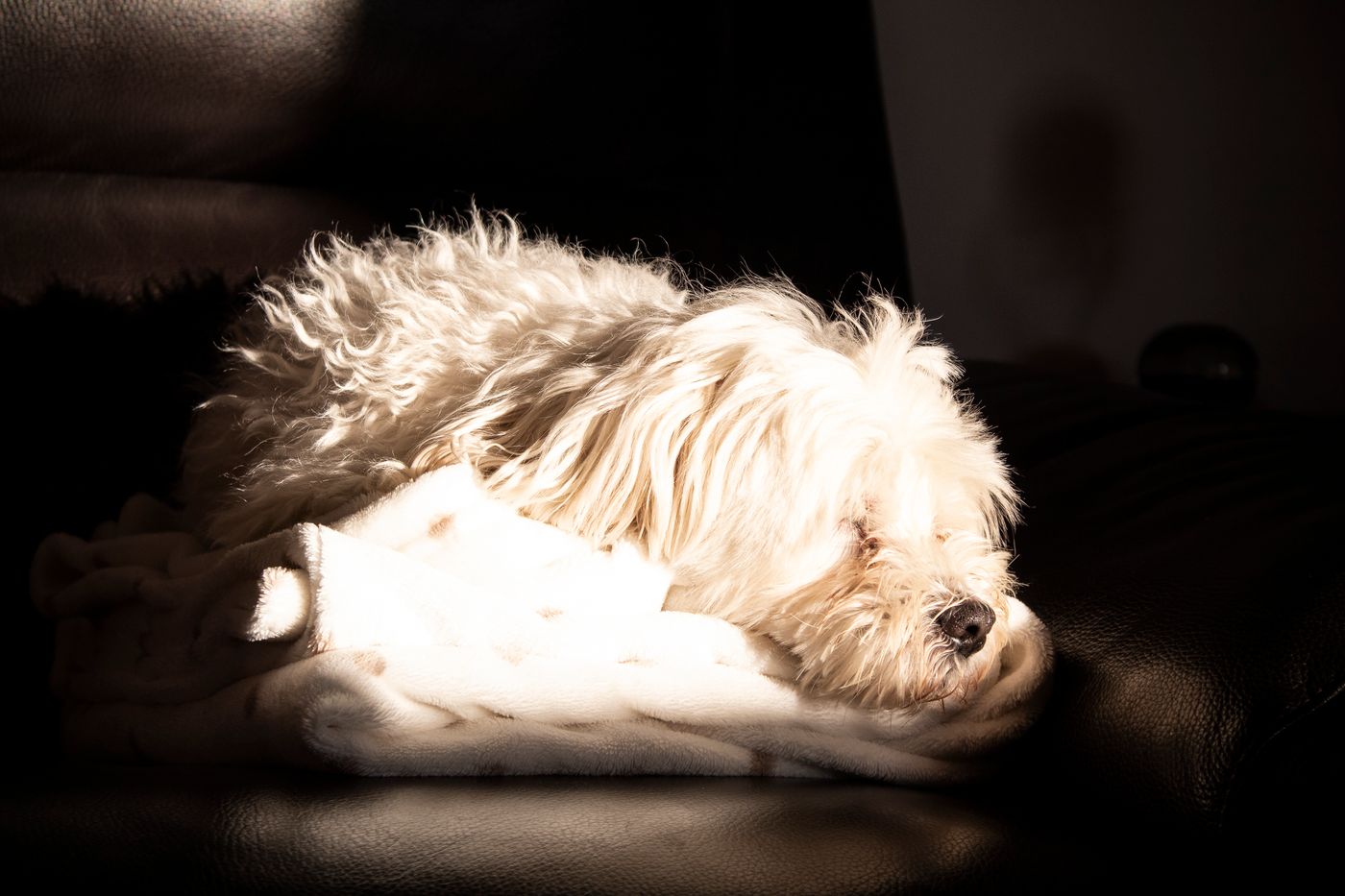
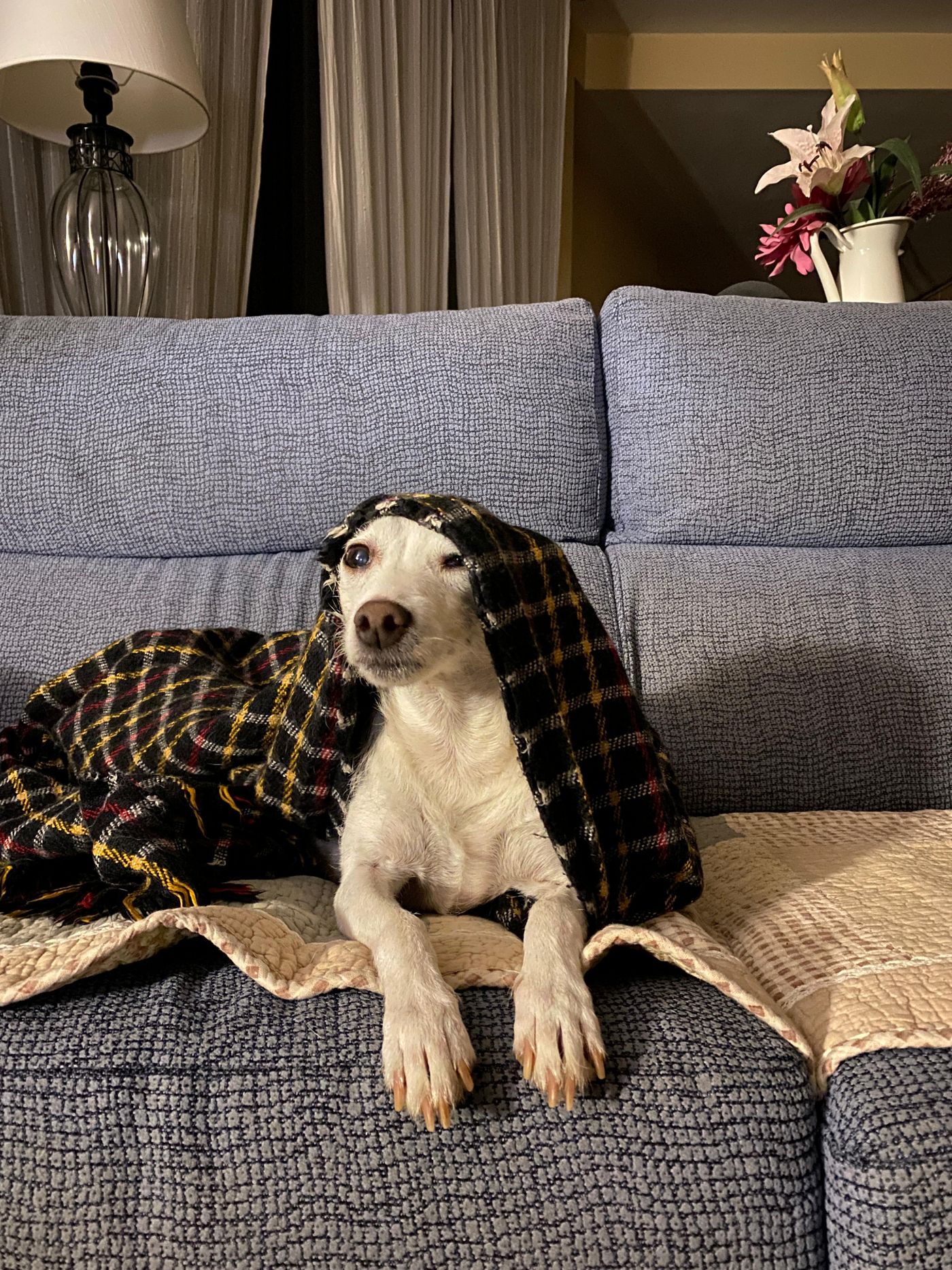
“Sometimes allowed” can work only if people agree on the conditions. Perhaps the dog is invited onto one covered section when an adult is present, or perhaps furniture is always kept for people. Discuss the arrangement before correcting the dog for following yesterday’s invitation.
Consider access and mobility as well as cleaning preferences. A dog should not be repeatedly encouraged to jump on and off furniture when that movement is difficult or inappropriate. Ask your vet about suitable arrangements if comfort or physical ability has changed rather than turning reluctance into a training dispute.
Provide an alternative worth using
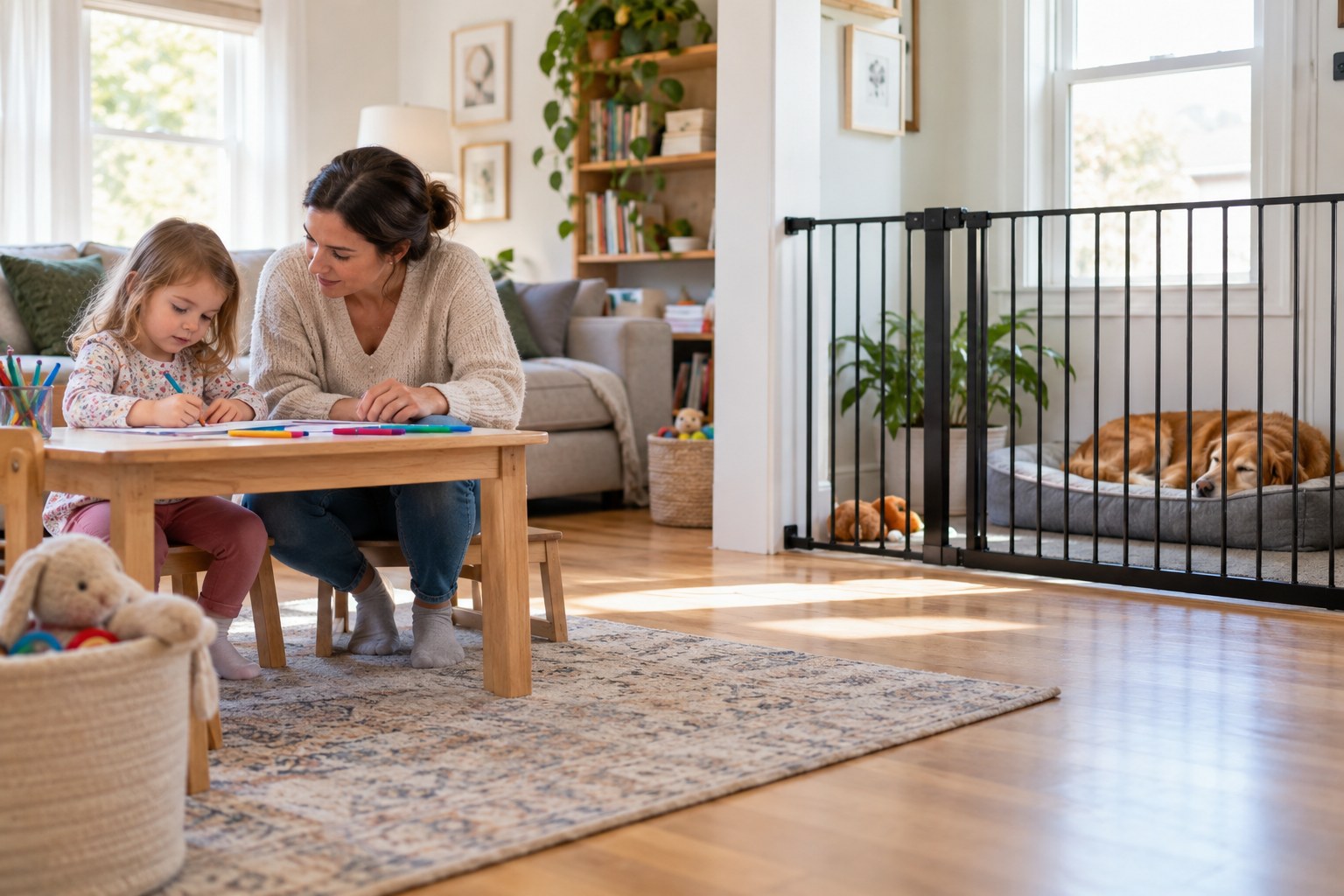
Place a comfortable resting option near the household activity if the dog enjoys company. A thin mat in an isolated corner may not be a realistic substitute for the soft place beside you. Reward voluntary use of the alternative and make sure people leave the dog undisturbed when resting there.
If you teach an invitation or an off cue, use rewards and manageable practice when the situation is calm. Do not drag the dog by the collar or physically push them from the sofa. When there is guarding, growling or concern about safety, manage access without confrontation and obtain qualified help rather than trying to prove ownership of the furniture.
Use the same arrangement with visitors
Explain the rule before guests invite the dog up or move their belongings into the dog’s usual place. If the room will be unusually crowded, prepare another comfortable resting area in advance. A change in the number of people should not require an improvised conflict over the last seat.
Review the rule when the dog’s needs or household layout changes. You can decide on a new arrangement, but introduce it clearly and provide the alternative rather than expecting the dog to infer it. The useful outcome is predictable access and comfortable rest, not a dog that must continually guess which person’s mood determines whether the sofa is available.