Choose one visible action
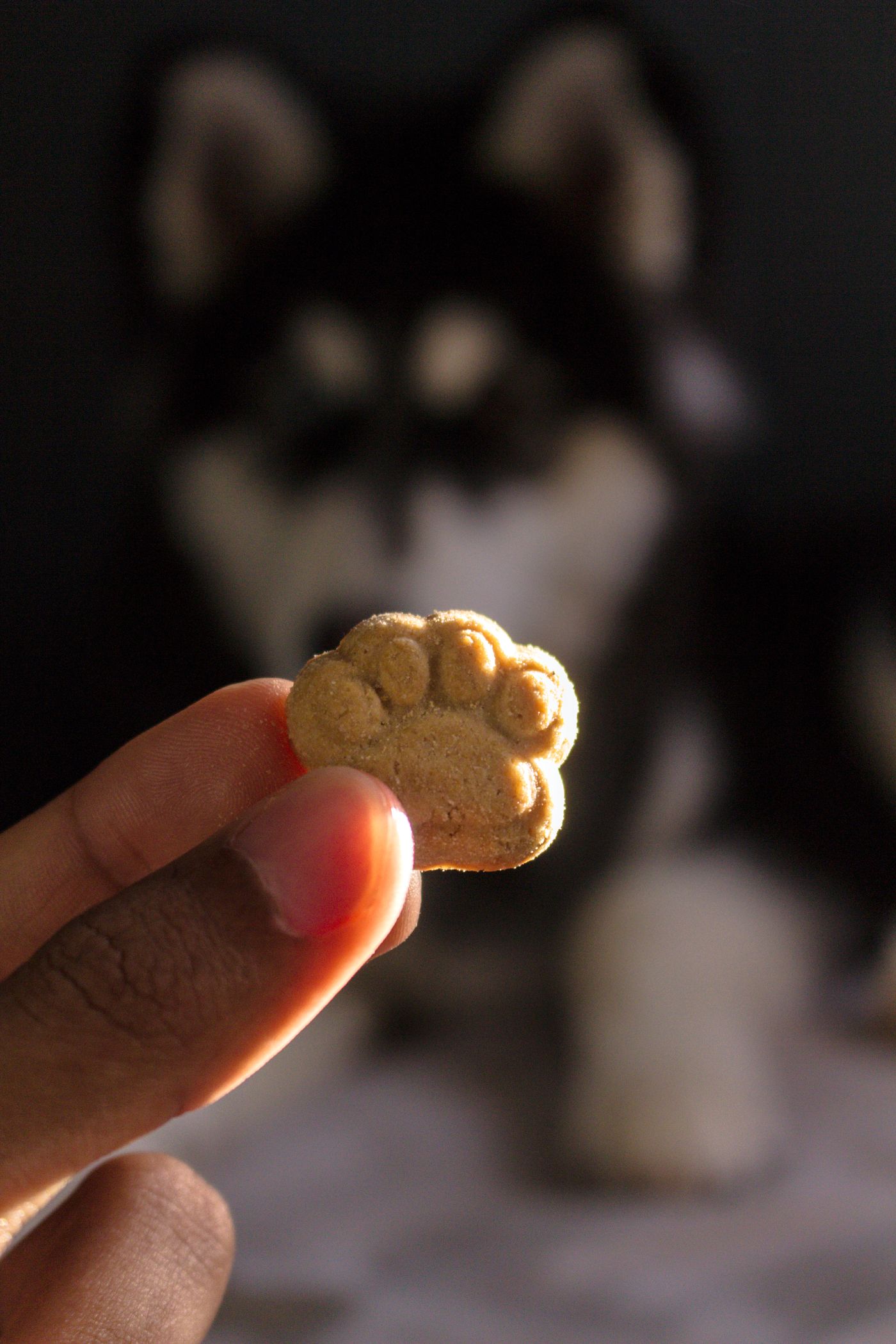
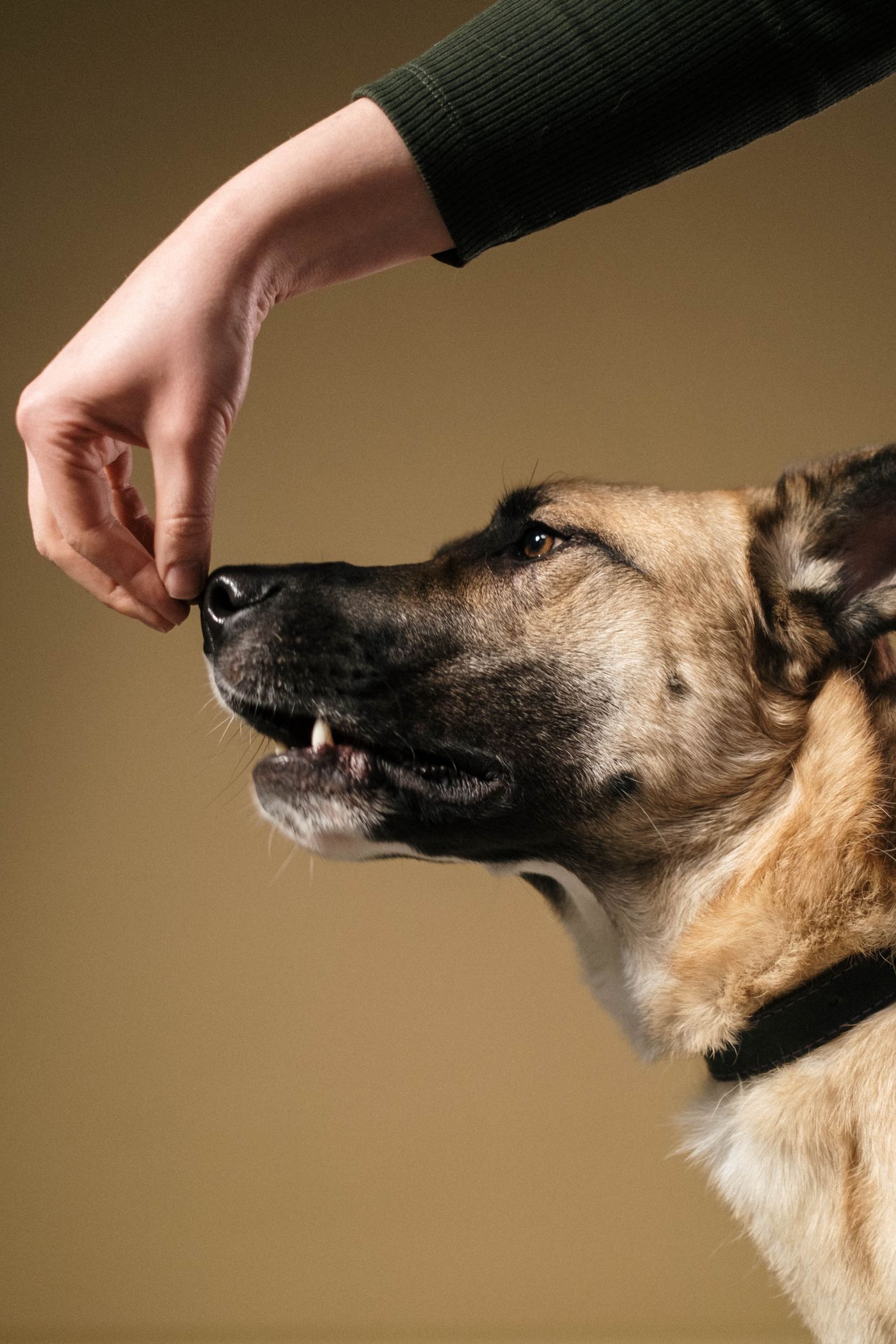
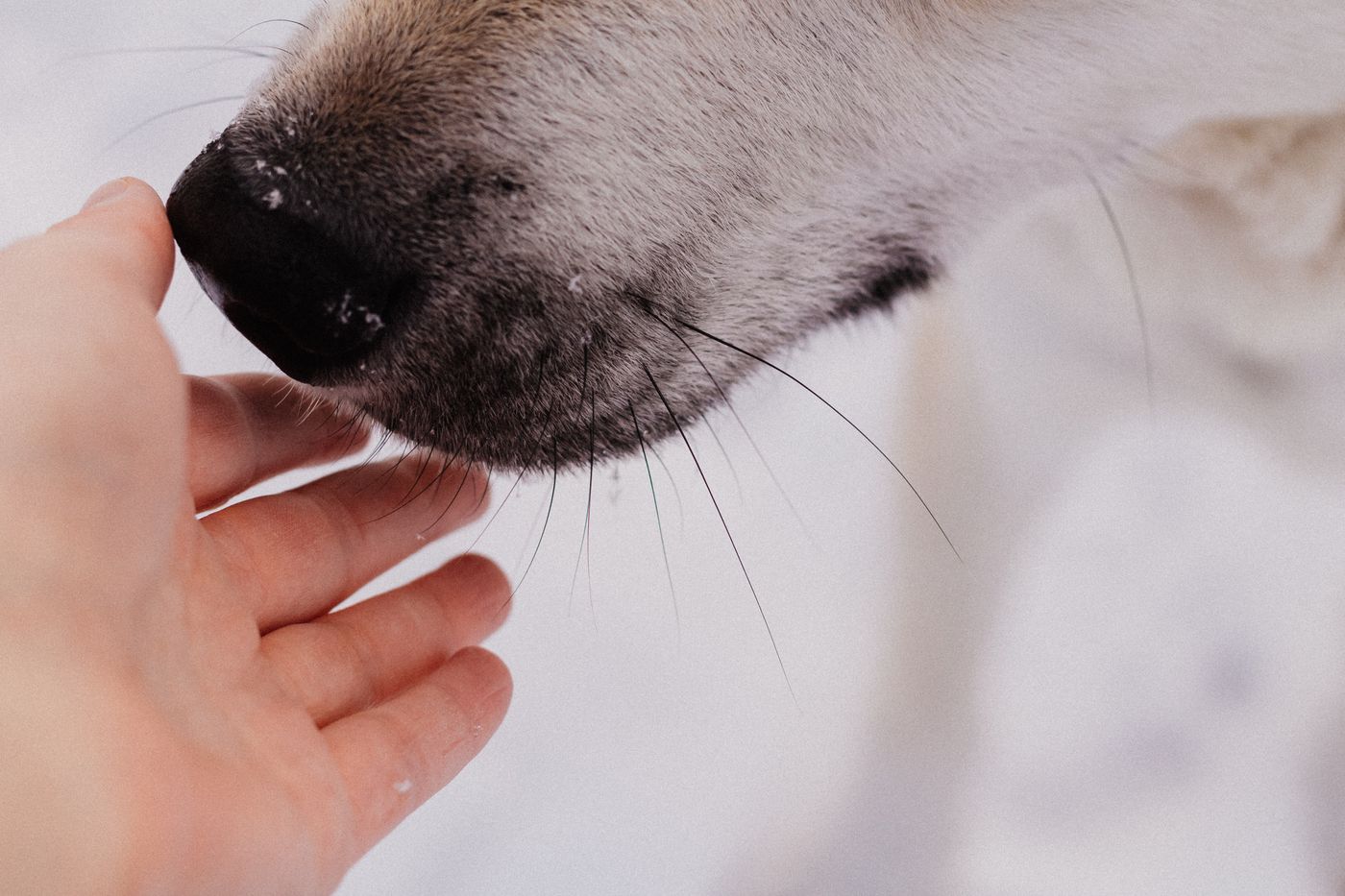
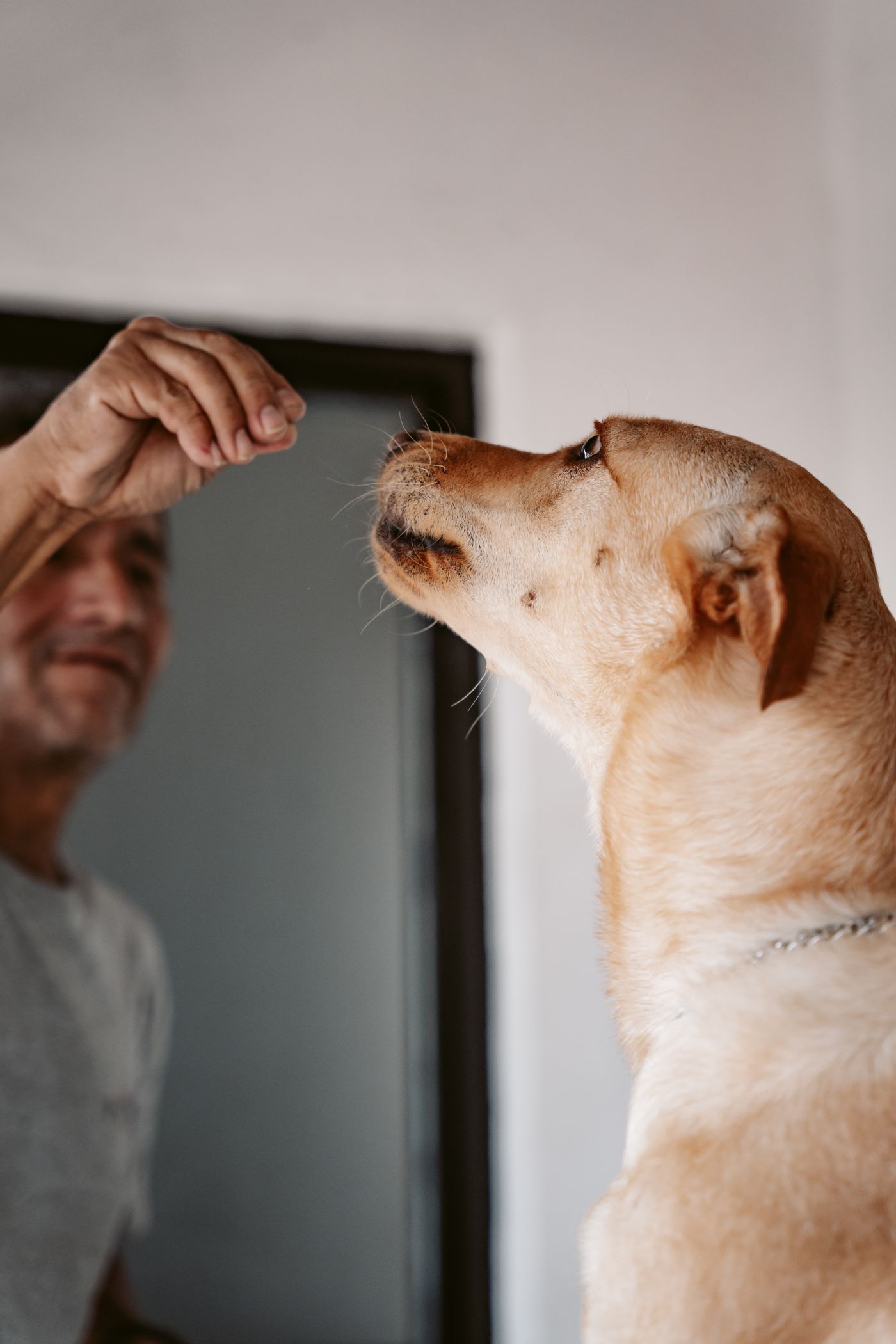
Write the aim in ordinary language: “touch my palm once” is easier to teach than “be better behaved.” Prepare the rewards and space before inviting the dog to join you. Remove avoidable interruptions such as a noisy toy or another dog looking for food. Decide what an easy first repetition looks like, including where your hands and feet will be. Good preparation saves the dog from waiting while you organize yourself.
Use a handful of attempts, then assess
Try a few easy repetitions and pause. There is no magic session length that suits every dog, exercise or day. A familiar sit in the kitchen requires different concentration from investigating a new mat outdoors. Watch whether your dog returns willingly and can comfortably follow the next step. If your own timing becomes hurried or you start repeating cues, take that as a reason to stop too. Human concentration matters in the quality of practice.
Change the setup before drilling
Suppose your dog touches your hand twice, then begins licking at the reward pouch. Move the pouch out of immediate view and make the next target easier to reach. Repeating the same confusing arrangement ten more times is unlikely to clarify it. If the dog walks away, allow the break. Check whether you are asking for too much, the surface is slippery or a household interruption has made the room less comfortable.
Fit practice into ordinary moments
One small session before putting away the walking equipment can be easier to sustain than a long scheduled lesson. Keep spontaneous practice organized: reward a useful action, then return to the normal activity rather than continuing indefinitely. End with a simple finish phrase and put the equipment away. A short note about the best successful step helps you begin at an appropriate level next time instead of immediately attempting the final goal.