Choose a sound you can repeat comfortably
Pick a brief marker such as “yes” that is easy to say in a normal voice. Everyone helping with training should use the same sound. A clicker is another option, but a spoken marker leaves both hands free and suits many ordinary exercises. The marker is information, not a command to sit or come. Say it once rather than turning it into a stream of praise with an unclear beginning.
Build the connection before testing it
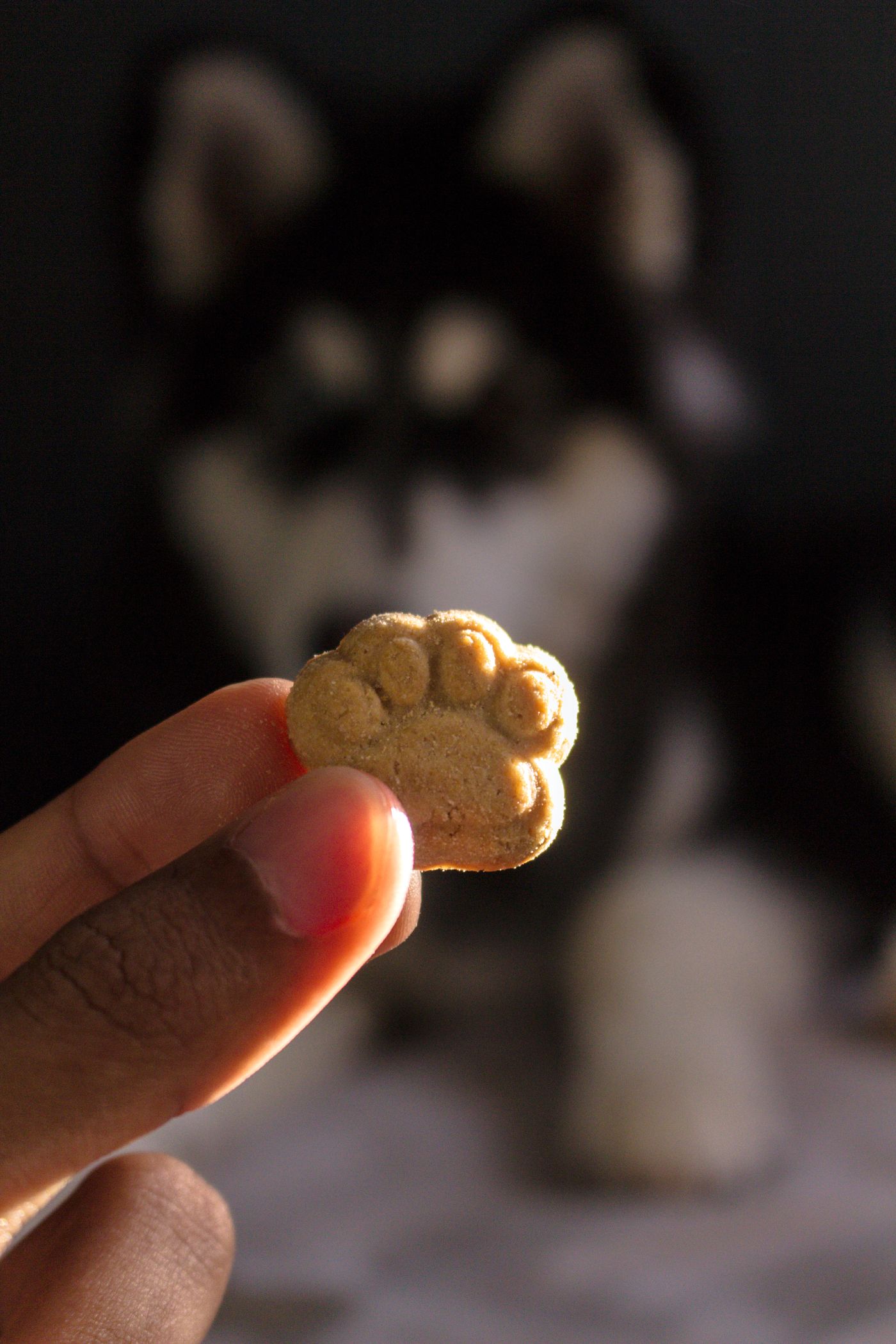
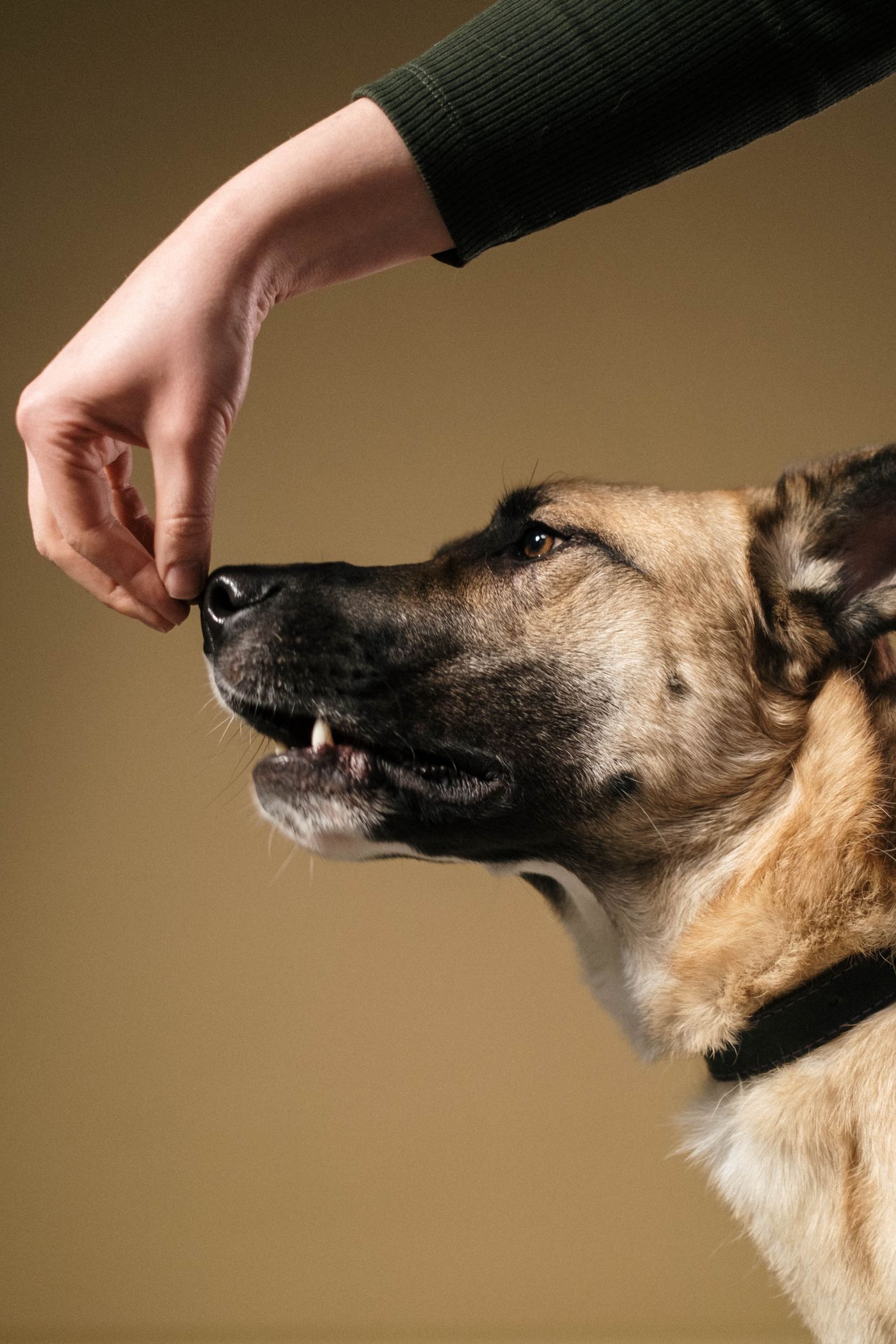
In a quiet place, say your marker and promptly give a suitable small reward. Pause, then repeat a few times while your dog remains interested. You do not need to ask for anything complicated during this introduction. Keep your hand still before the word so reaching into a pouch does not become the only useful signal. Prepare rewards within easy reach and avoid startling a dog with an unexpectedly loud voice or click.
Mark the action as it happens
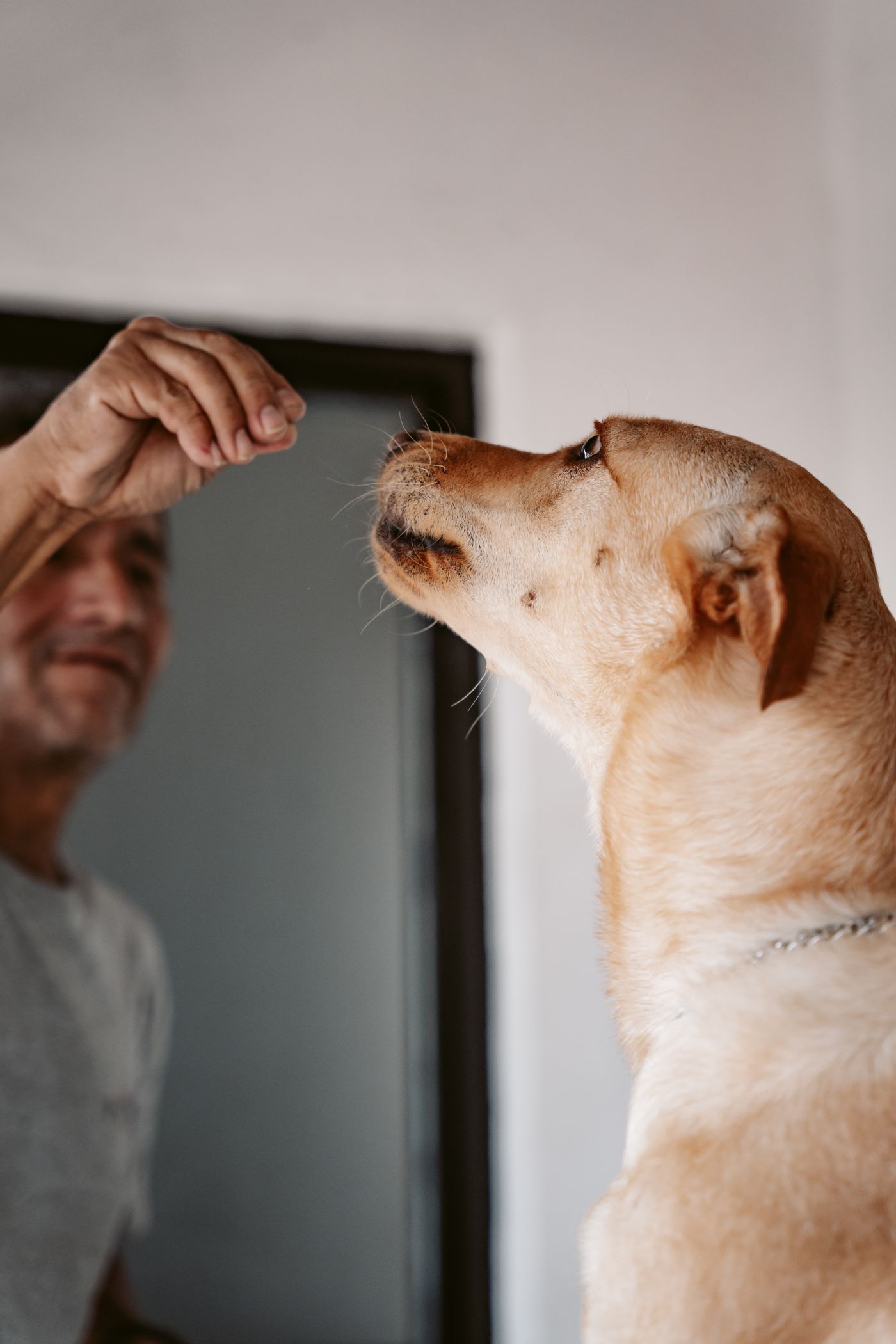
Try an easy behavior your dog already offers, such as looking toward you. Say the marker at that moment, then deliver the reward. If you wait until the dog has turned away again, the message becomes less clear. Practice your timing away from the dog by marking a simple event, such as a dropped ball touching the floor. This lets you improve coordination without making the dog's task confusing.
Keep the promise after a mistake
If you accidentally mark the wrong moment, still deliver the reward and arrange the next repetition more carefully. Do not repeatedly mark without following through because you ran out of food. Stop and refill before continuing. Praise can remain part of friendly interaction, while the chosen marker keeps its specific meaning. When the dog is distracted, reduce the difficulty instead of saying the marker to get attention; use the dog's familiar attention cue for that job.