Walk through the room as it will be used
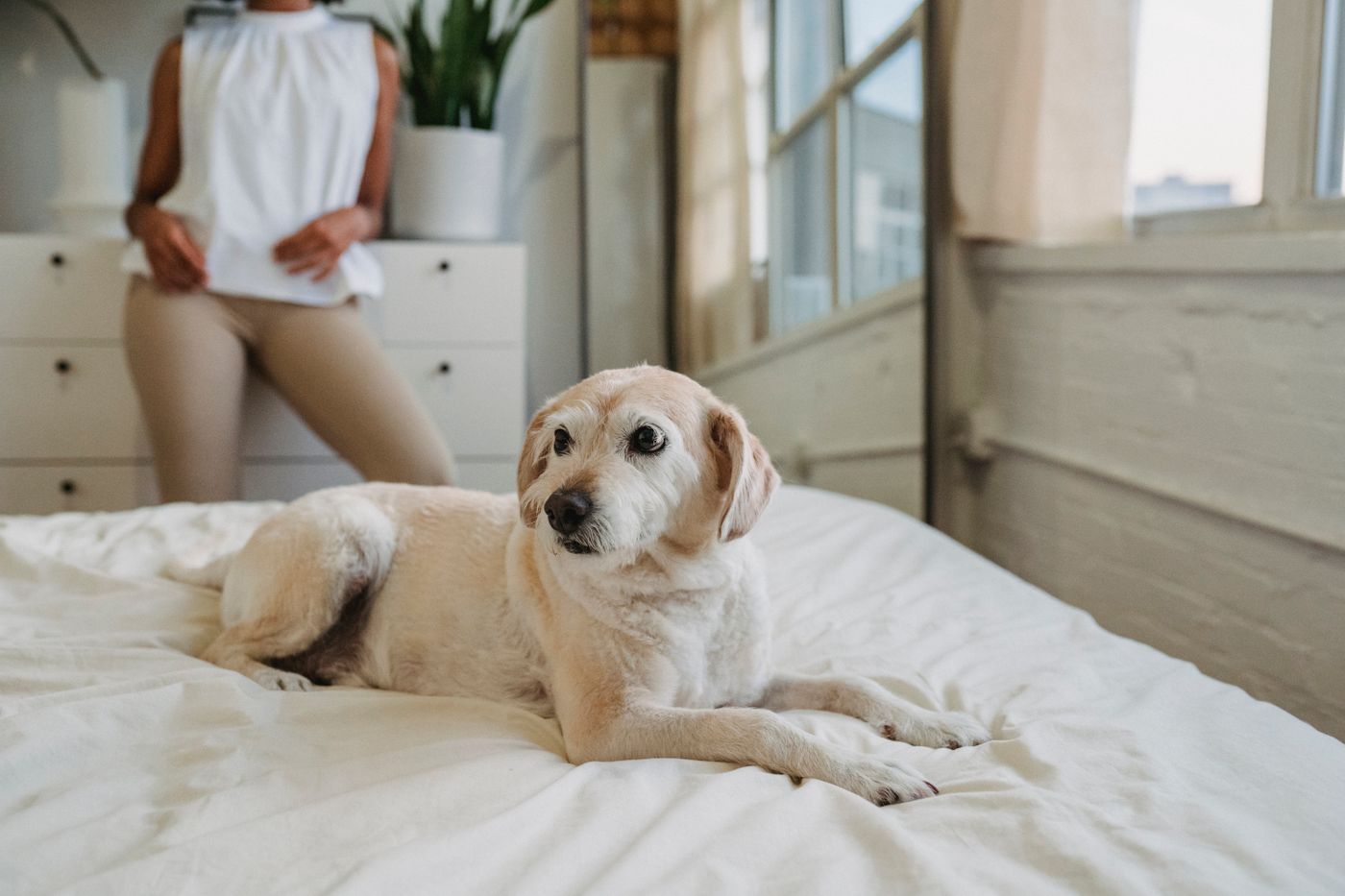
Choose a room where someone can spend ordinary quiet time with the dog. A space that looks tidy but is isolated from the household may not be a helpful starting point. Check how doors open, where people carry hot drinks and whether the dog can move between water and bedding without crossing a busy route.
Remove accessible cables, medicines, cleaning products and small objects. Empty low waste bins or move them behind a secure door. Inspect the space beside and beneath furniture, where dropped items often escape notice. A closed cupboard is useful only if the dog cannot nose it open.
Arrange a few clear destinations
Set fresh water on stable flooring and place a comfortable bed away from the main doorway. Leave enough open floor for the dog to turn and stretch without navigating a maze of equipment. Start with a small selection of suitable items rather than displaying every new purchase at once.
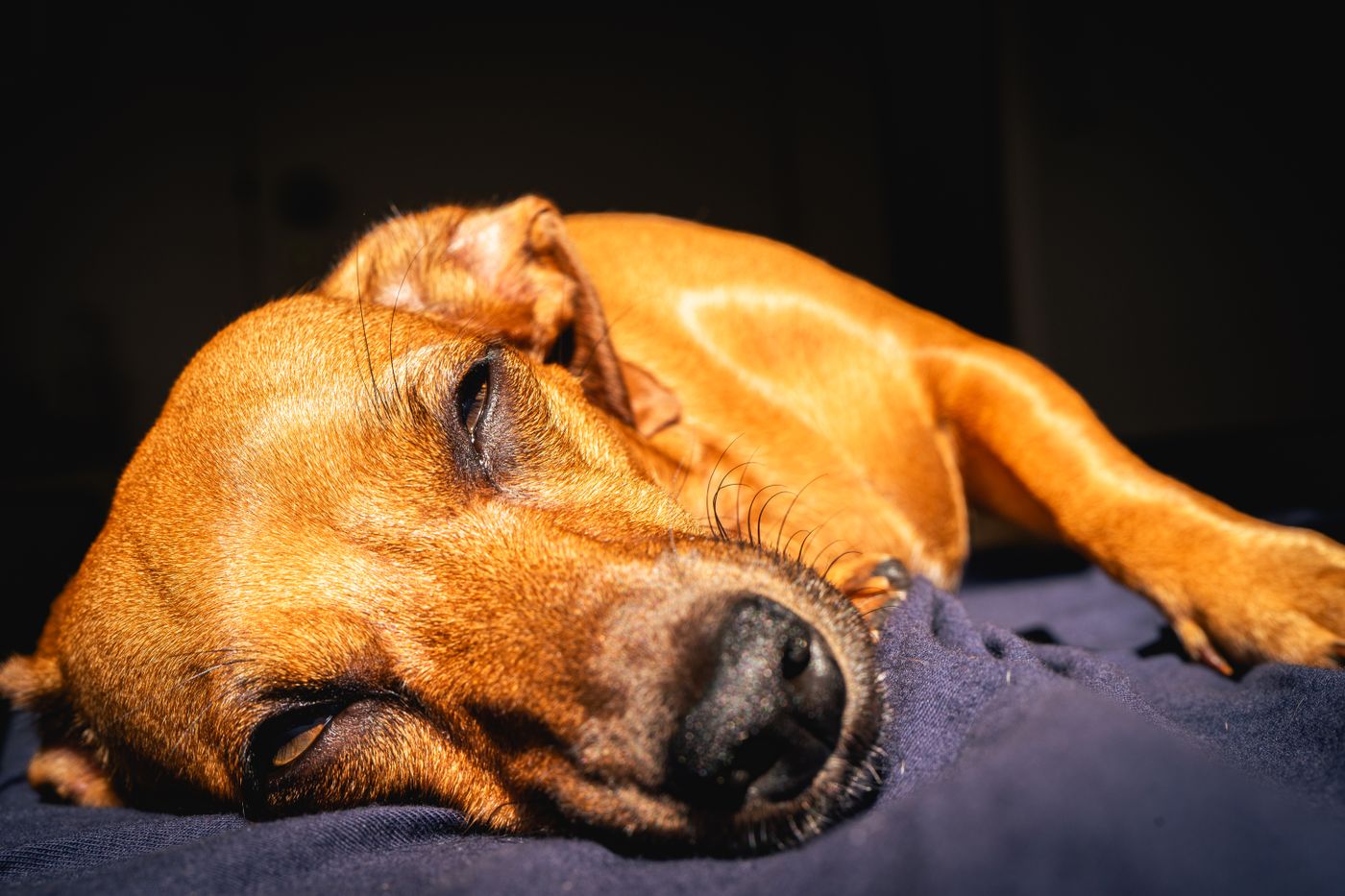
Think about temperature, draughts and light throughout the day. A sunny patch in the morning may become uncomfortably warm later. If you use a gate, check that it is secure and appropriate for the individual dog. It should manage access, not become a substitute for observing whether the dog is comfortable.
Test the human routine
Carry out a pretend arrival before collection: enter, close the door, put down your bag and reach for the lead. This often reveals awkward storage or an escape opportunity that a visual inspection misses. Agree which doors other household members must keep shut and where visitors should wait.
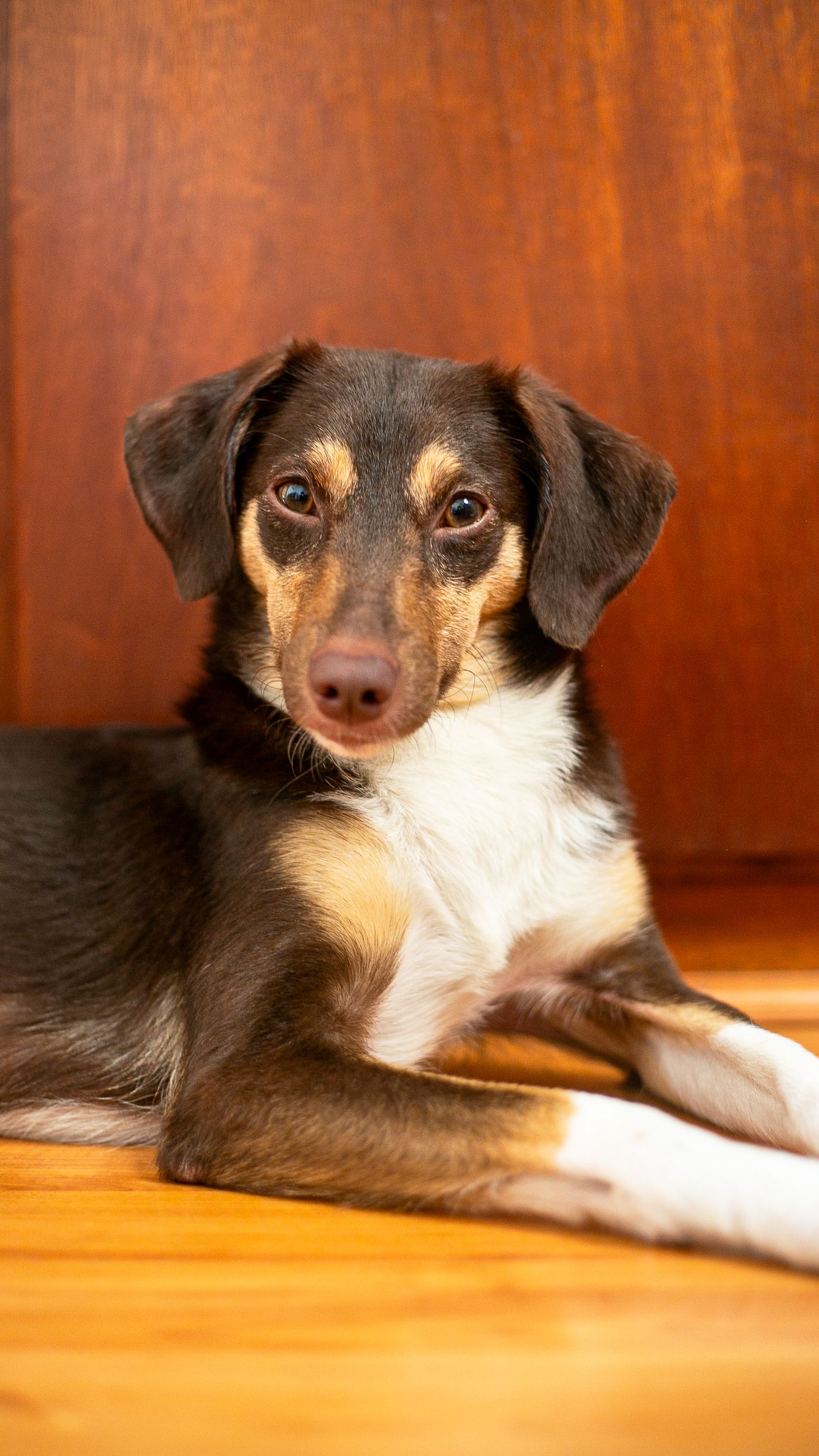
Once the dog arrives, let exploration happen without repeatedly moving them between items. Notice whether they avoid a surface or choose a quieter corner. You can reposition a bed or add a washable non-slip layer after observing the dog. Expand access when supervision and comfort allow, rather than opening every room simply because the first hour went smoothly.