Choose the quiet room by its use
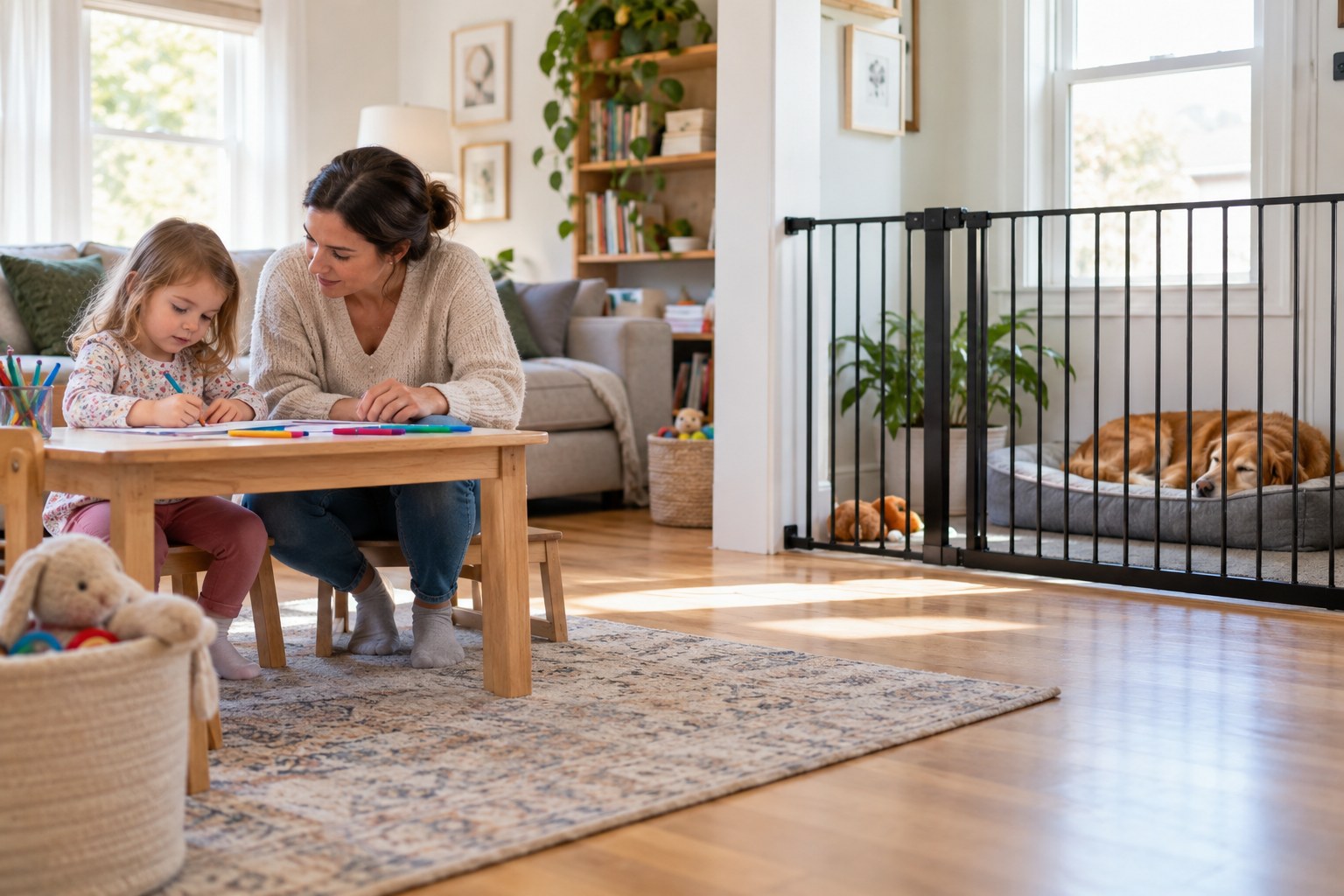
Look for a familiar space away from the entrance, food service and speakers. A room that will later become the coat store or children’s playroom will not remain quiet. Tell the household which room is reserved and keep guests from using it as an informal shortcut.
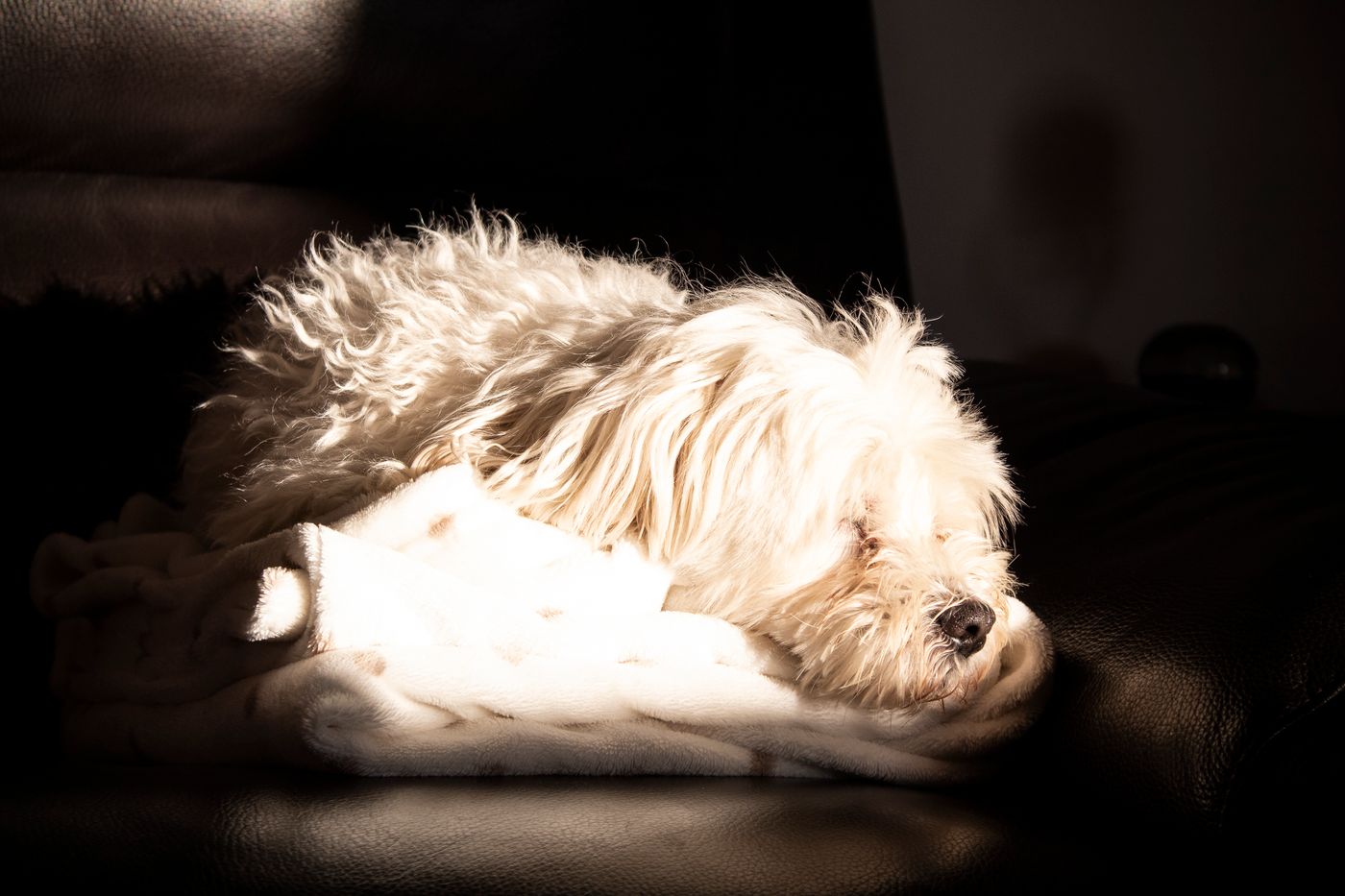
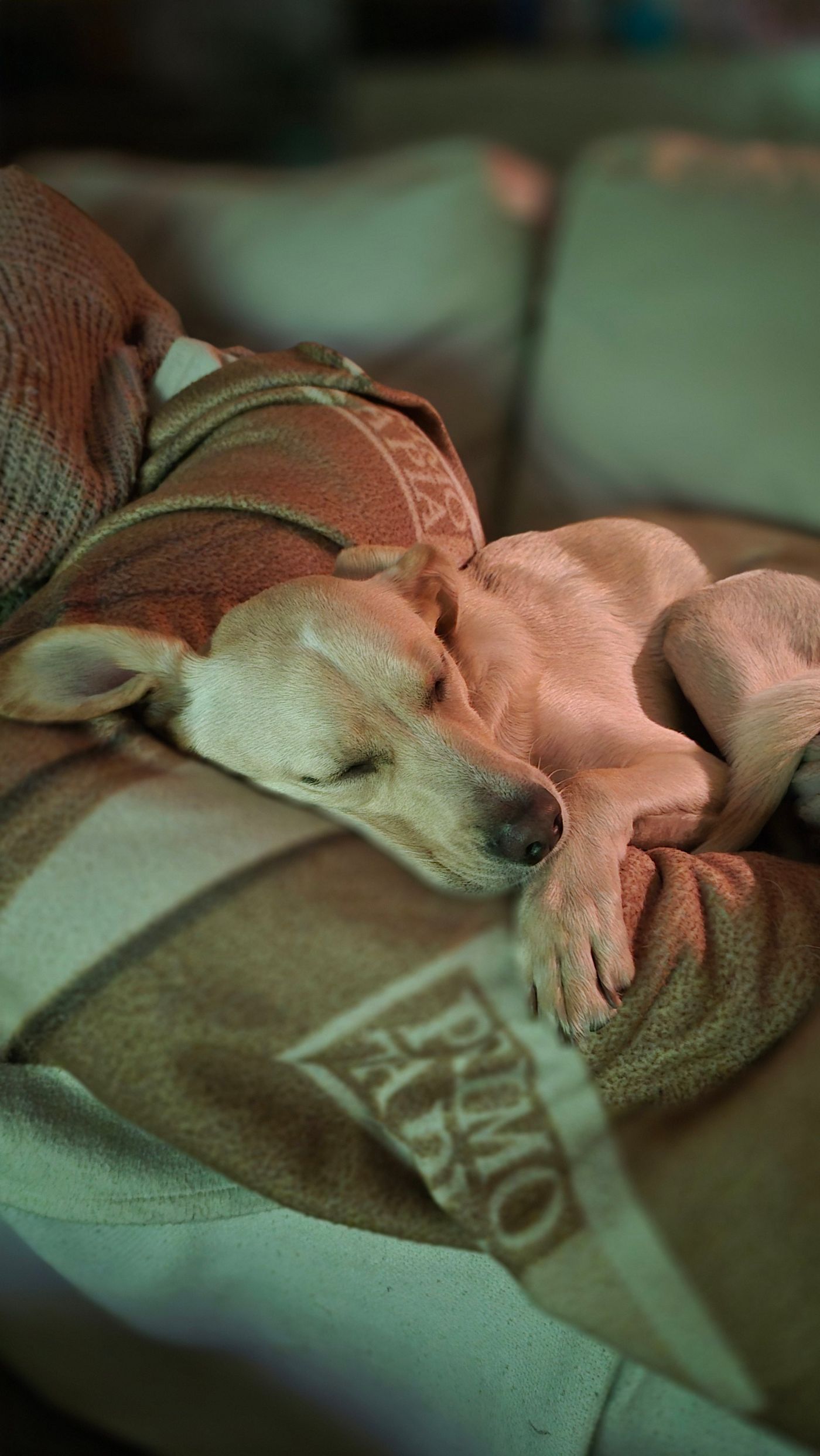
Set up the dog’s usual bedding, water and a safe temperature. Check windows, doors and accessible objects. If separation itself is difficult for your dog, plan familiar company or suitable care rather than expecting a closed door to solve the problem on the day. The retreat needs to match the individual dog’s existing comfort.
Assign a person, not just a place
Decide who will provide toilet opportunities, check comfort and stay attentive to changes during the gathering. The busiest host may not be the right person. Put the relevant supplies where that person can reach them without moving through a crowd carrying the dog’s lead and water bowl.
Explain that guests should not enter to visit the dog. This is especially important when children or well-meaning dog enthusiasts are present. A resting area loses its value if someone repeatedly opens the door for a cuddle, photograph or introduction to another guest.
Keep the evening adjustable
You may choose a brief, carefully managed greeting if the dog is comfortable and the setting allows it, but there is no requirement to bring them out. Avoid using the party as a test of sociability. If noise reaches the retreat or the dog cannot settle, change the arrangement promptly with the designated carer.
After guests leave, check the home for food, discarded items and open doors before restoring normal access. Keep the remainder of the evening simple. For future gatherings, note what helped and what proved unrealistic. A smaller event, different room or outside care arrangement may be kinder and easier than trying to make the dog participate in every celebration held at home.