Read the situation as well as the movement
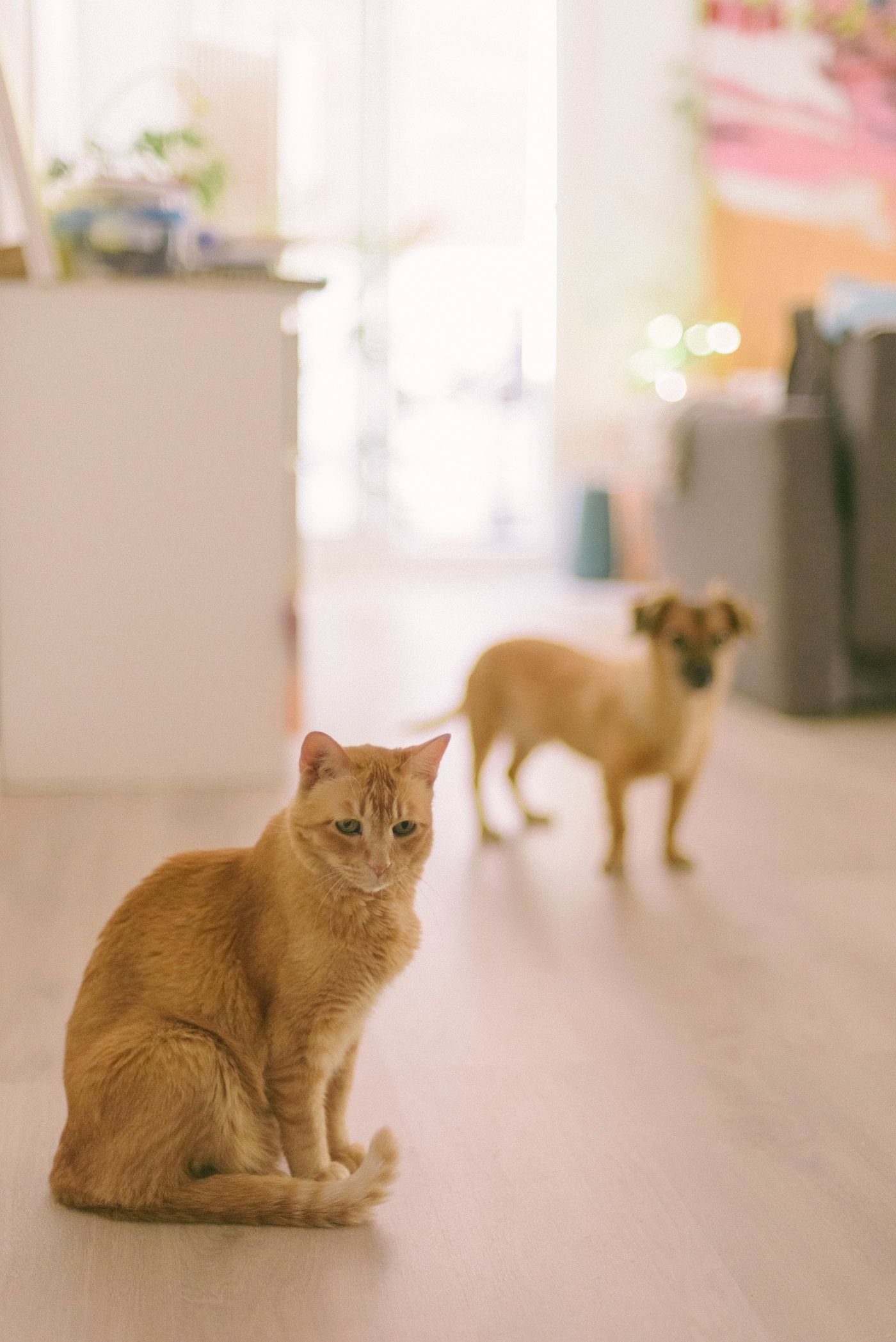
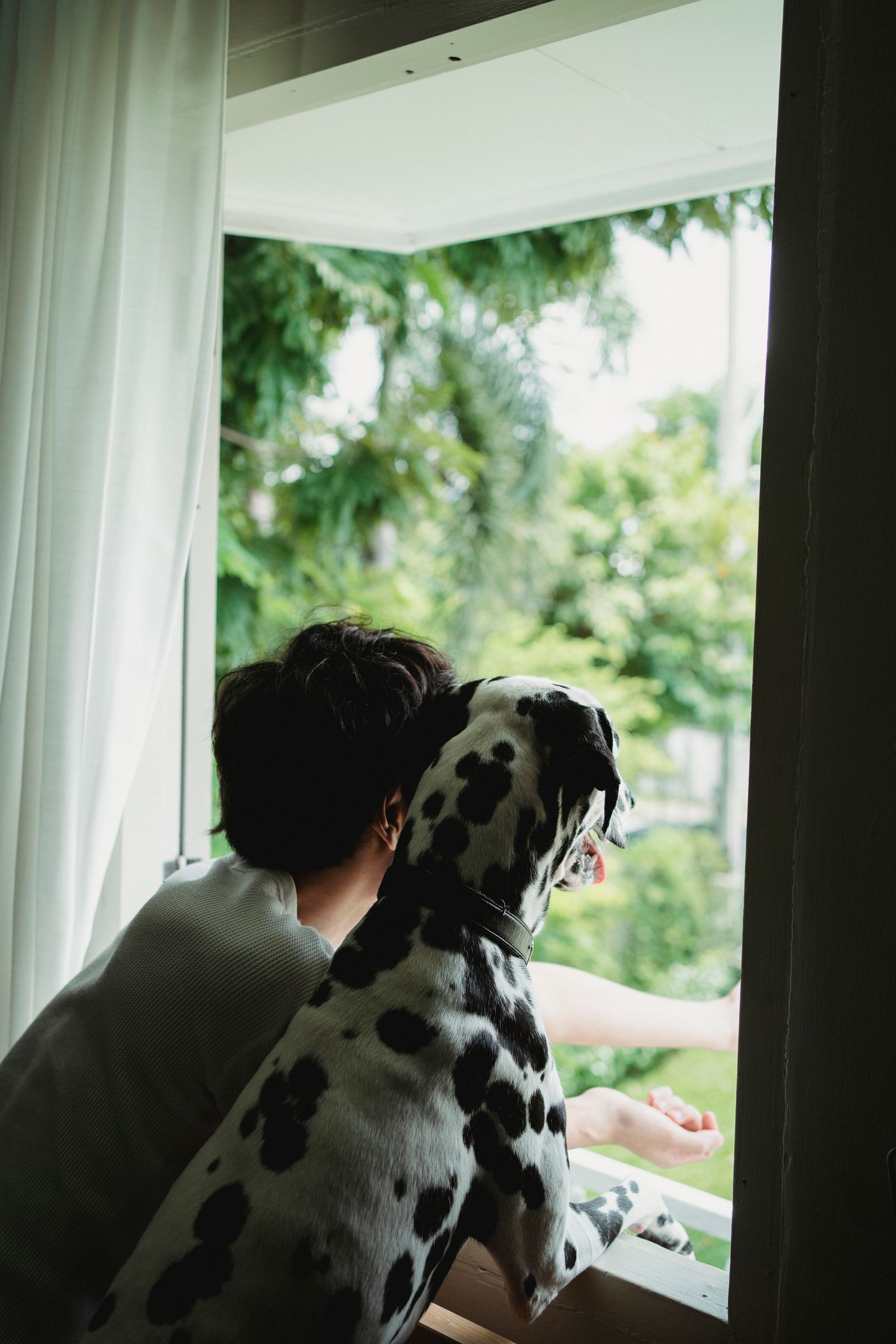
A dog turning their head, stepping away or changing body tension may be asking for more space. Look at what is happening around them: a person leaning over, a hand approaching or a crowded doorway. One movement alone does not reveal a certain emotion, so consider the whole dog and the sequence of events.
Compare with the dog's ordinary relaxed behaviour without treating familiarity as a guarantee. A dog who usually enjoys contact may want distance while resting, eating or feeling uncomfortable. The useful question is what would make this interaction easier now, not whether the dog has accepted it before.
Make retreat work
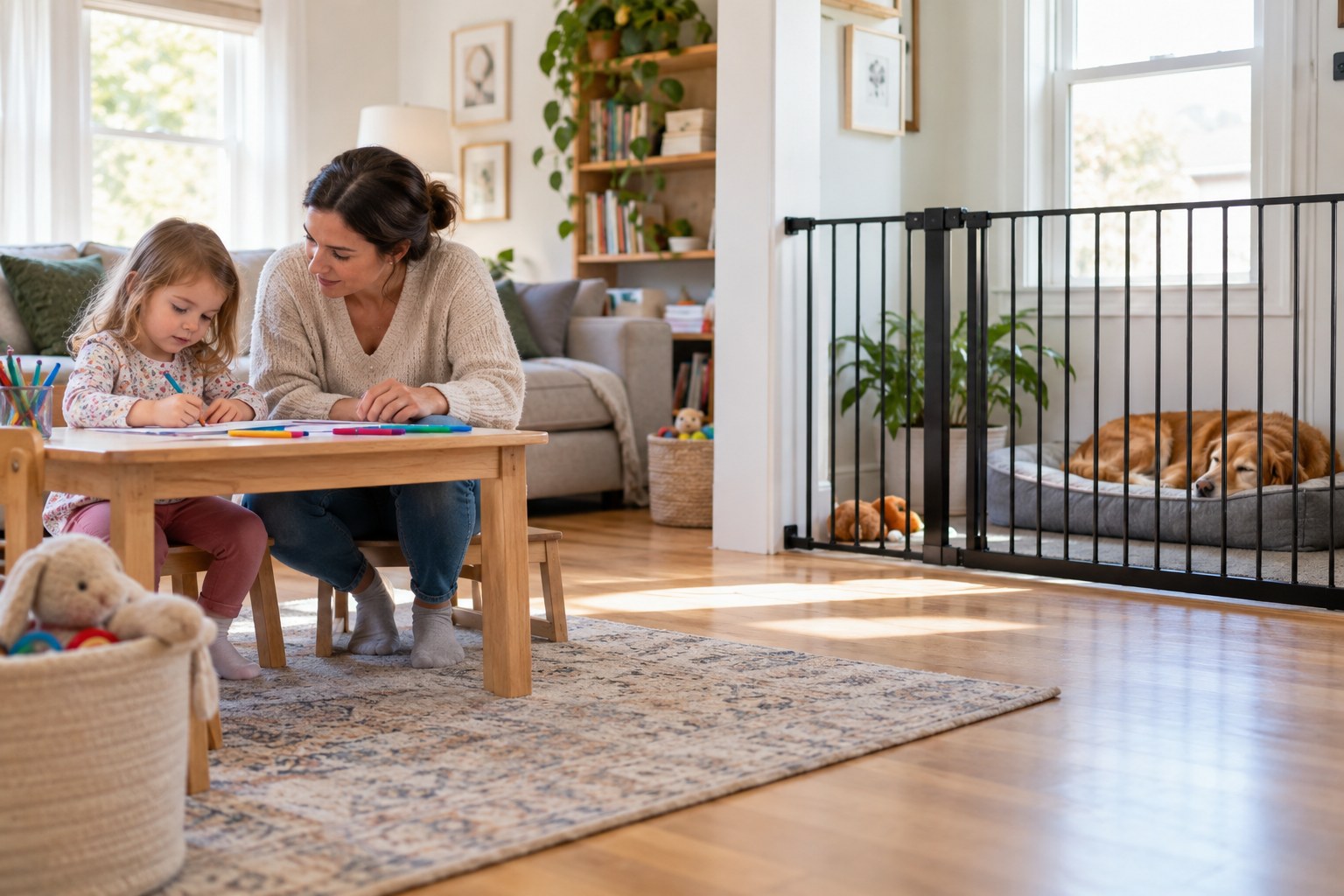
Pause your hand, stop moving closer and allow a clear route away. If you are blocking the exit, change position. Do not follow the dog to continue stroking or call them back repeatedly after they leave. A quiet end to contact can be a successful interaction.
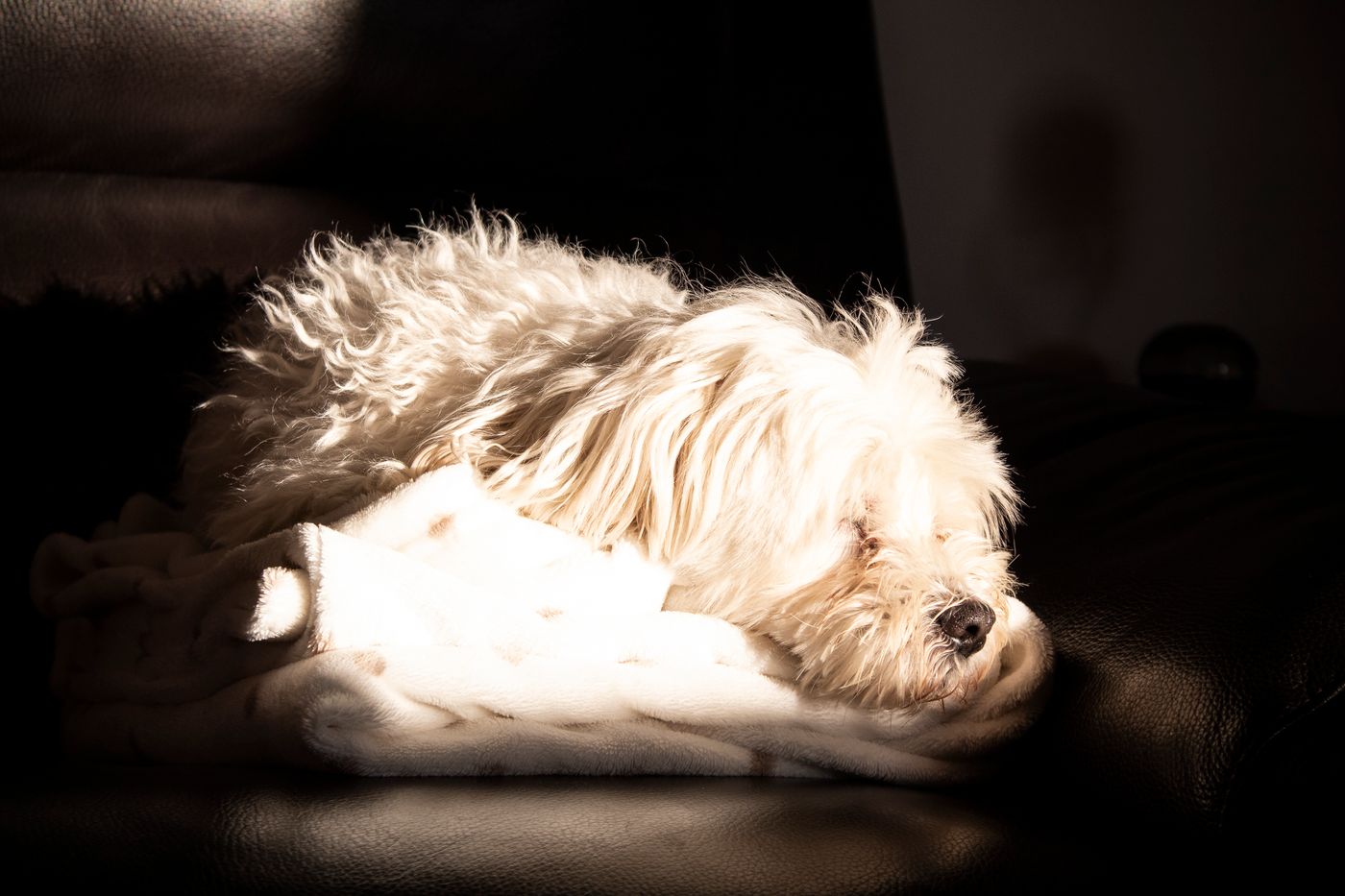
Tell visitors and children how to respond, using appropriate adult supervision. They do not need to interpret every subtle signal before following a simple rule: leave a resting dog alone and allow a dog to walk away. Avoid putting a face close to the dog or reaching into a private resting space.
Do not wait for escalation
You need not wait for growling or a snap before reducing pressure. Equally, do not punish a warning if one occurs. Create safe distance and consider what management or professional support is needed. Repeating the situation to see whether the dog does it again adds risk without clarifying ordinary care.
If the response is new, frequent or associated with handling a particular area, discuss it with a veterinarian. A qualified reward-based behaviour professional can help with ongoing interaction difficulties. Keep observations factual and avoid diagnosing from a photograph or a single gesture. Respecting small requests for space gives the dog less reason to communicate more forcefully and gives people a clearer, calmer way to respond.