
Learning together
Reward-based teaching, manageable steps and a little more understanding on both ends of the lead.
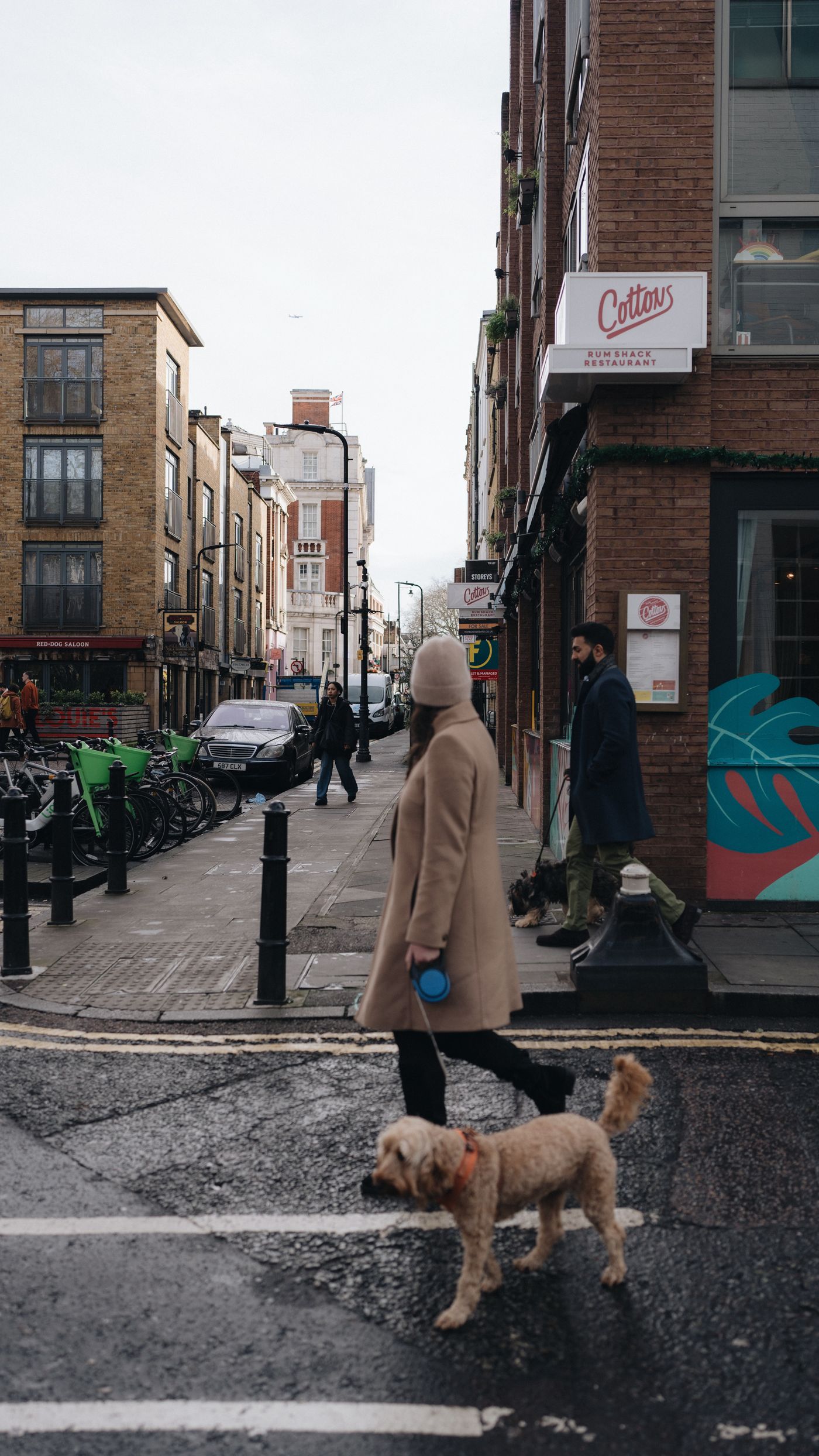
Teach a cheerful change of direction
A familiar turning cue can help you move together toward more space before a situation becomes uncomfortable.
Read the guide ↗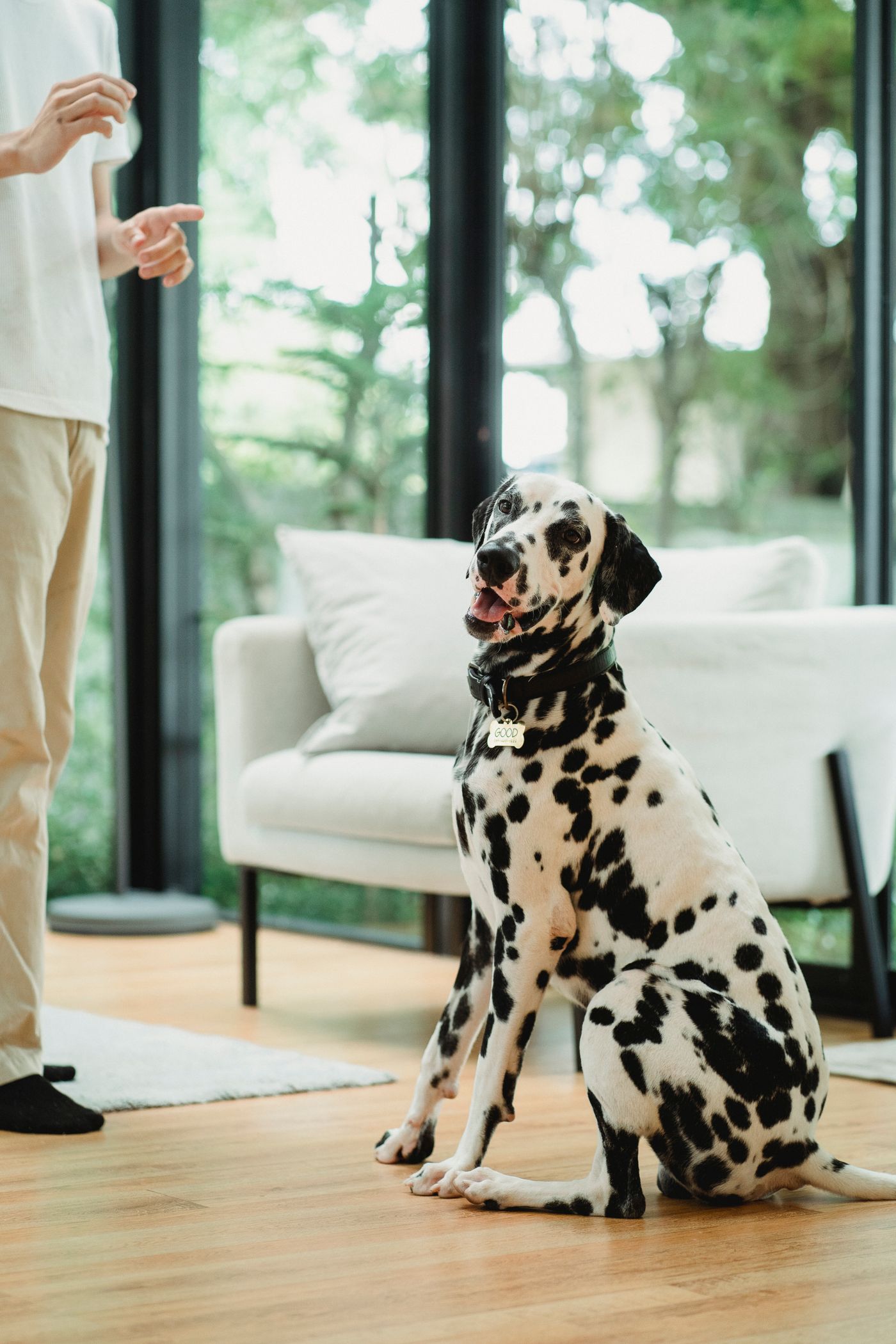
Help a dog keep four paws down for greetings
Calmer greetings start with how people approach and reward the dog, not with pushing a jumping dog back onto the floor.
Read the guide ↗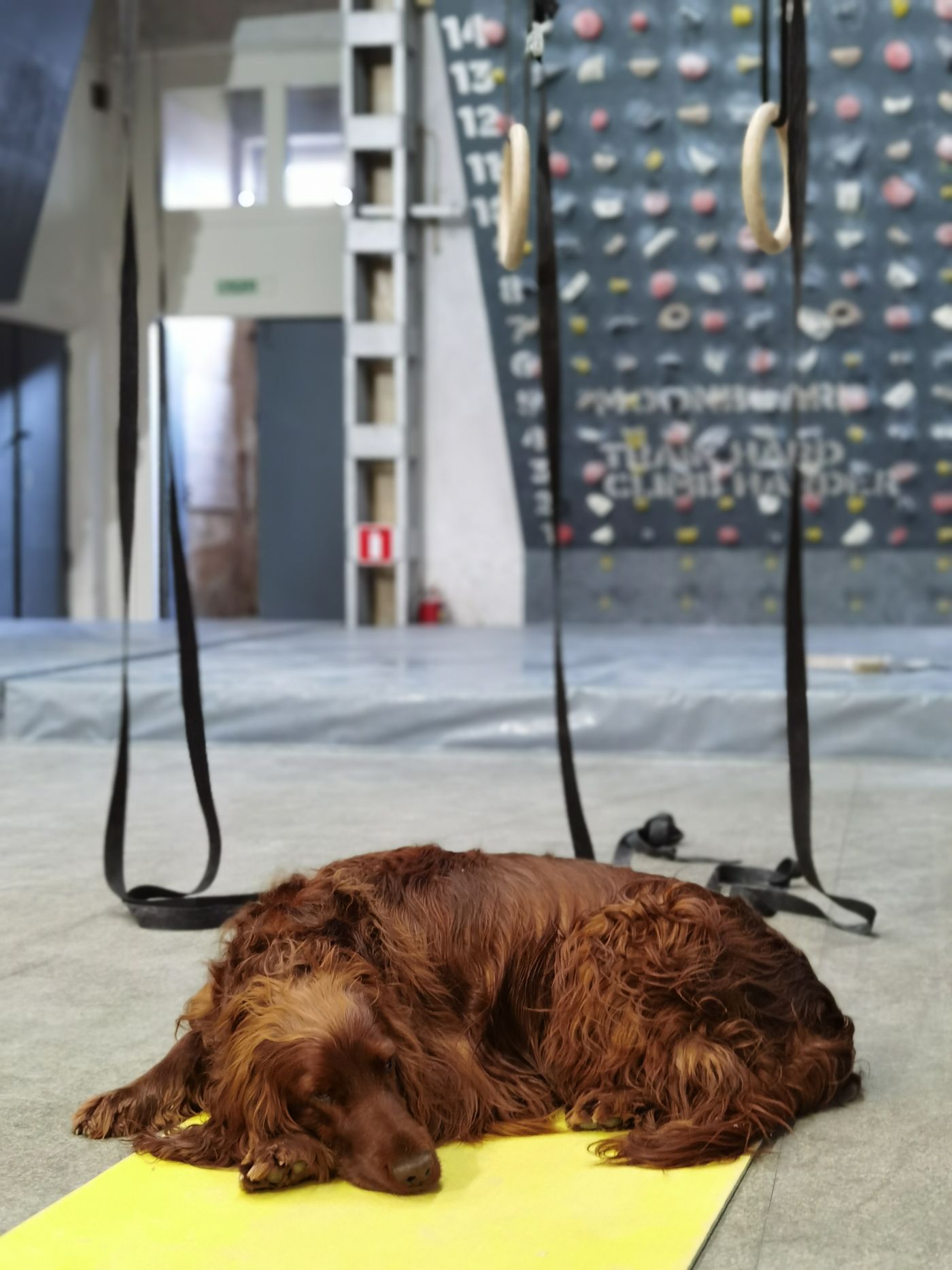
Teach a comfortable settle on a mat
A familiar mat can mark a comfortable place to pause, provided you build the association without requiring the dog to stay indefinitely.
Read the guide ↗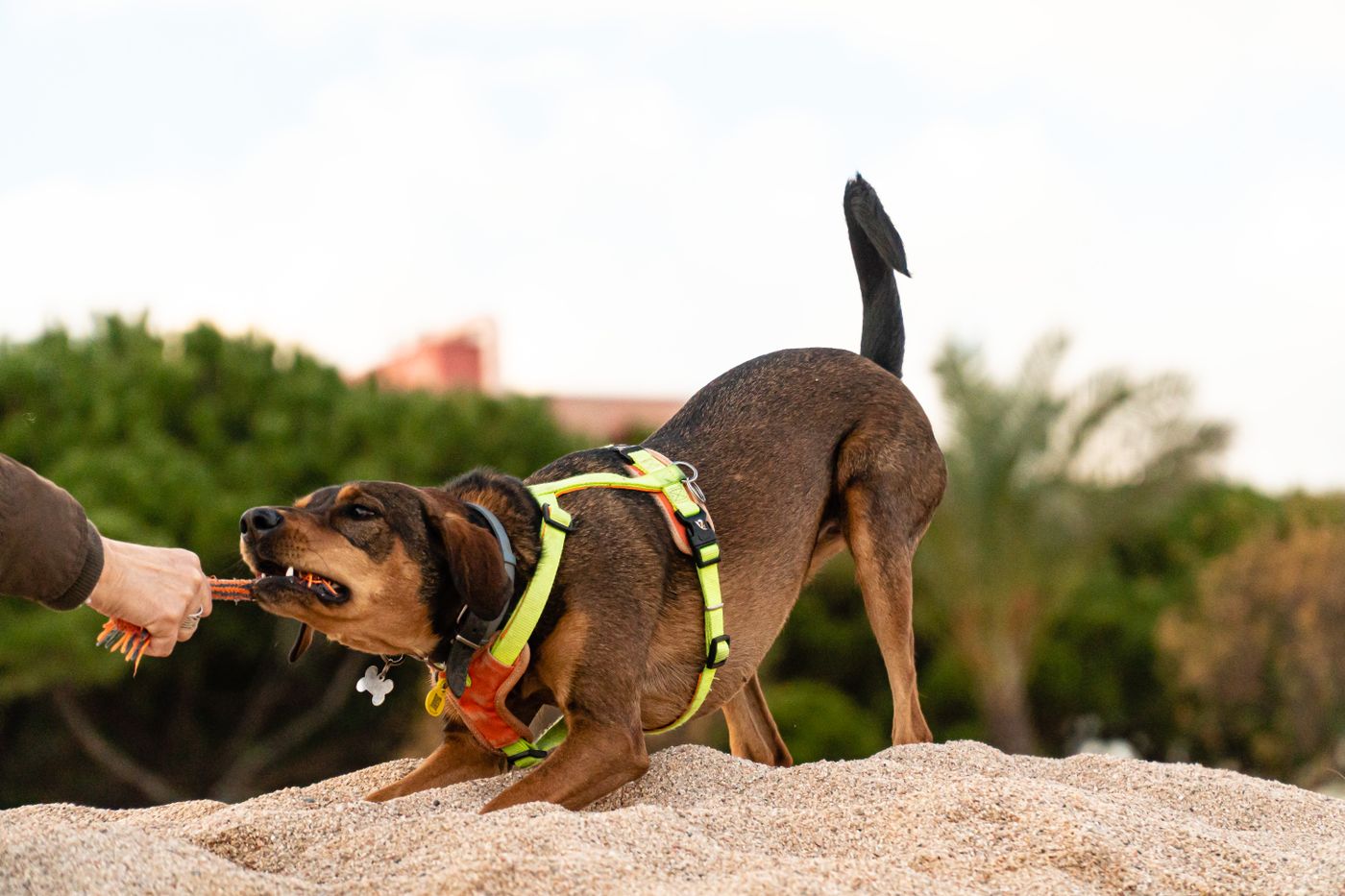
Introduce a drop cue with a trade
Teach giving up an ordinary toy through a worthwhile exchange, without chasing your dog or prying open their mouth.
Read the guide ↗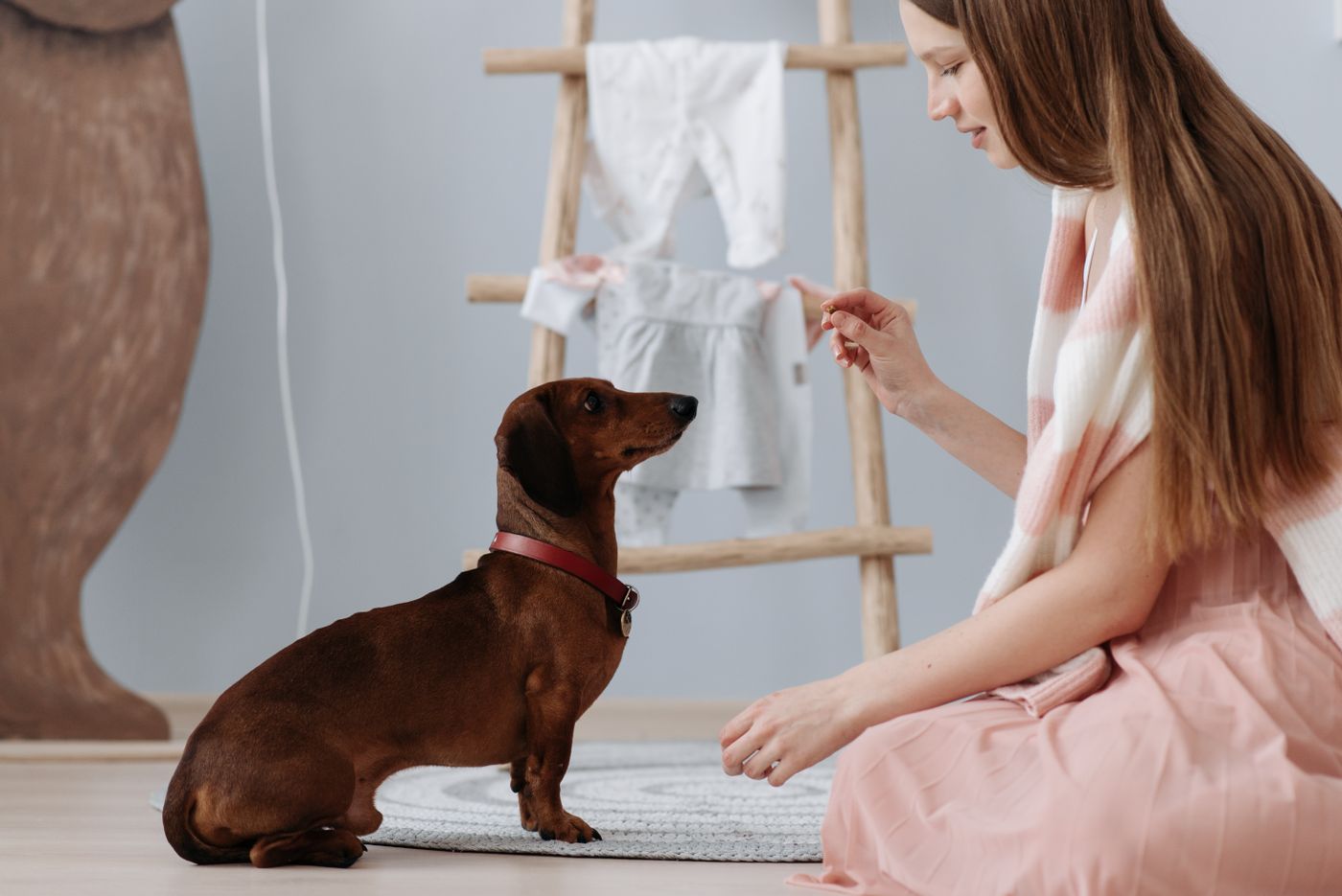
Start leave-it practice with an easy setup
Teach turning away from an easy, controlled object before expecting a leave-it cue to work around something irresistible outdoors.
Read the guide ↗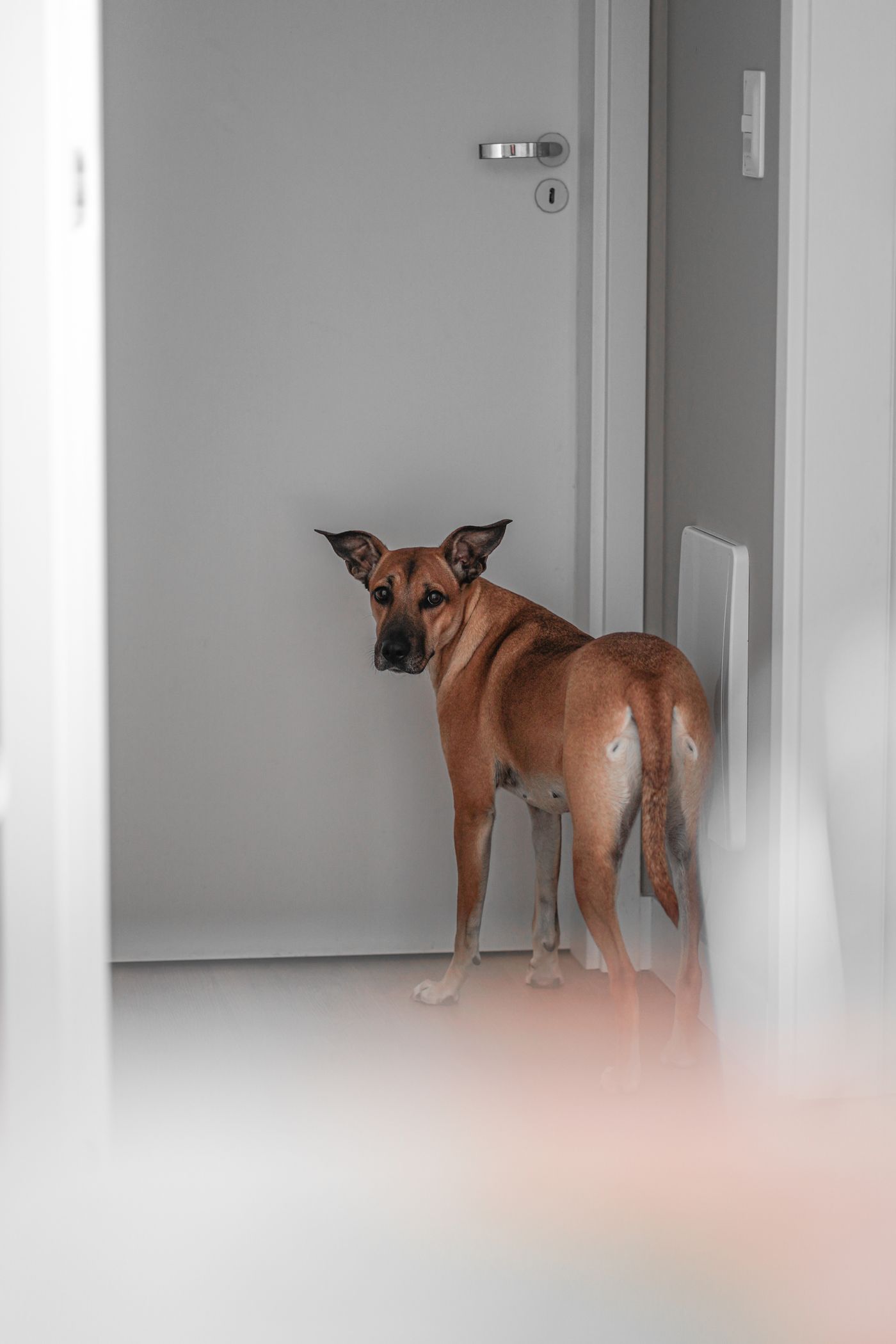
Teach a brief wait at an open door
A short doorway pause can make departures smoother, but barriers and careful handling remain the real protection against an unsafe exit.
Read the guide ↗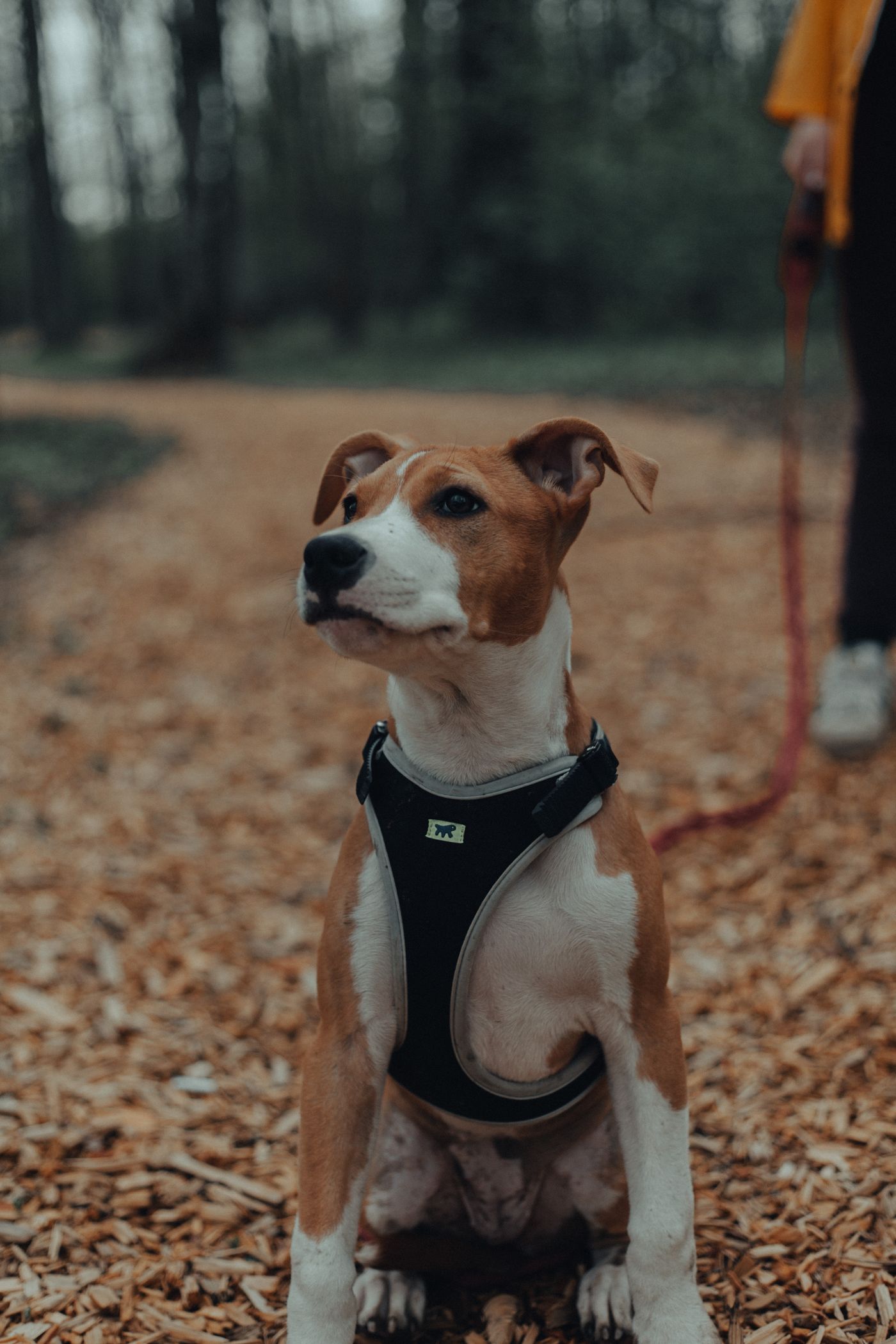
Reward checking in during walks
Voluntary glances toward you are useful moments to reward, without asking your dog to watch you throughout the walk.
Read the guide ↗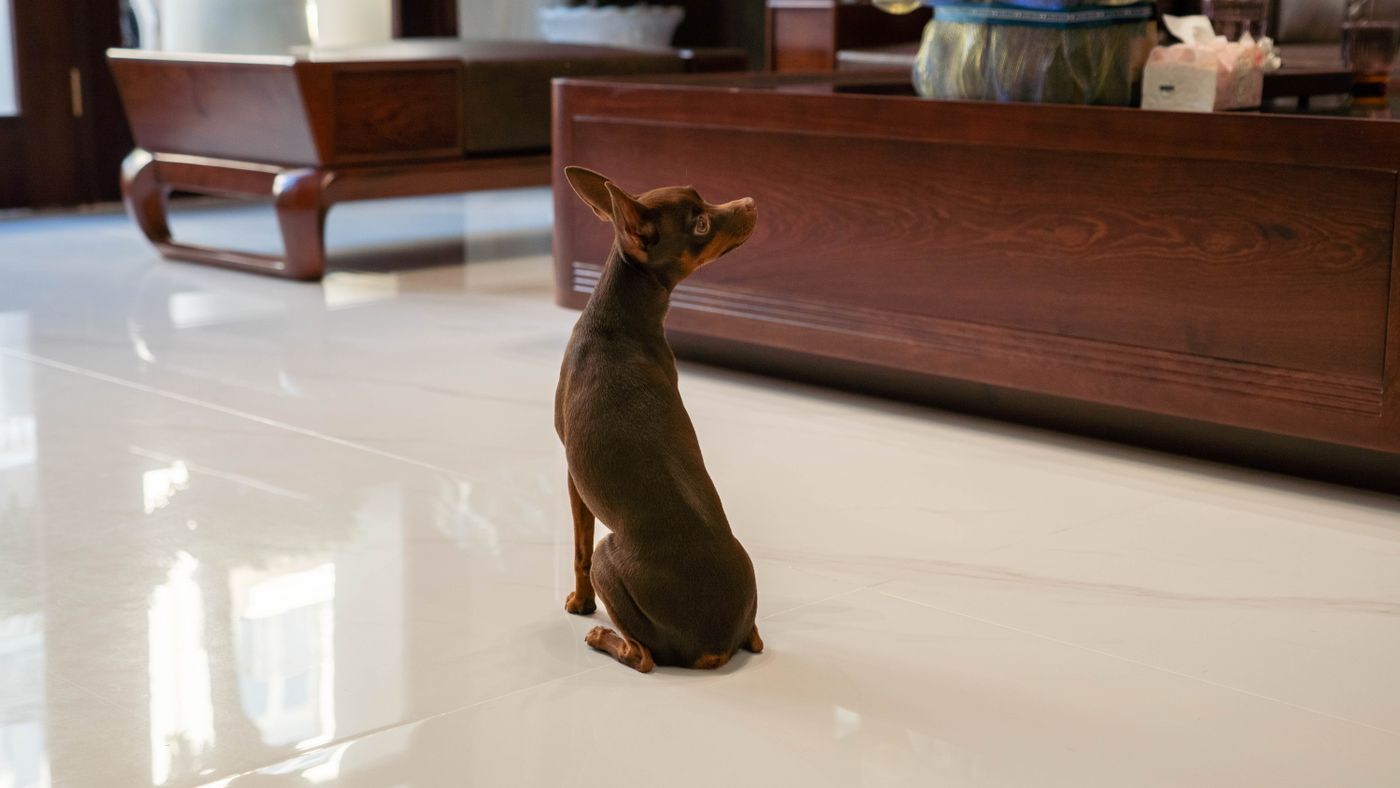
Teach a dog to move off furniture willingly
Give your dog an inviting place to move to instead of making furniture access a physical dispute.
Read the guide ↗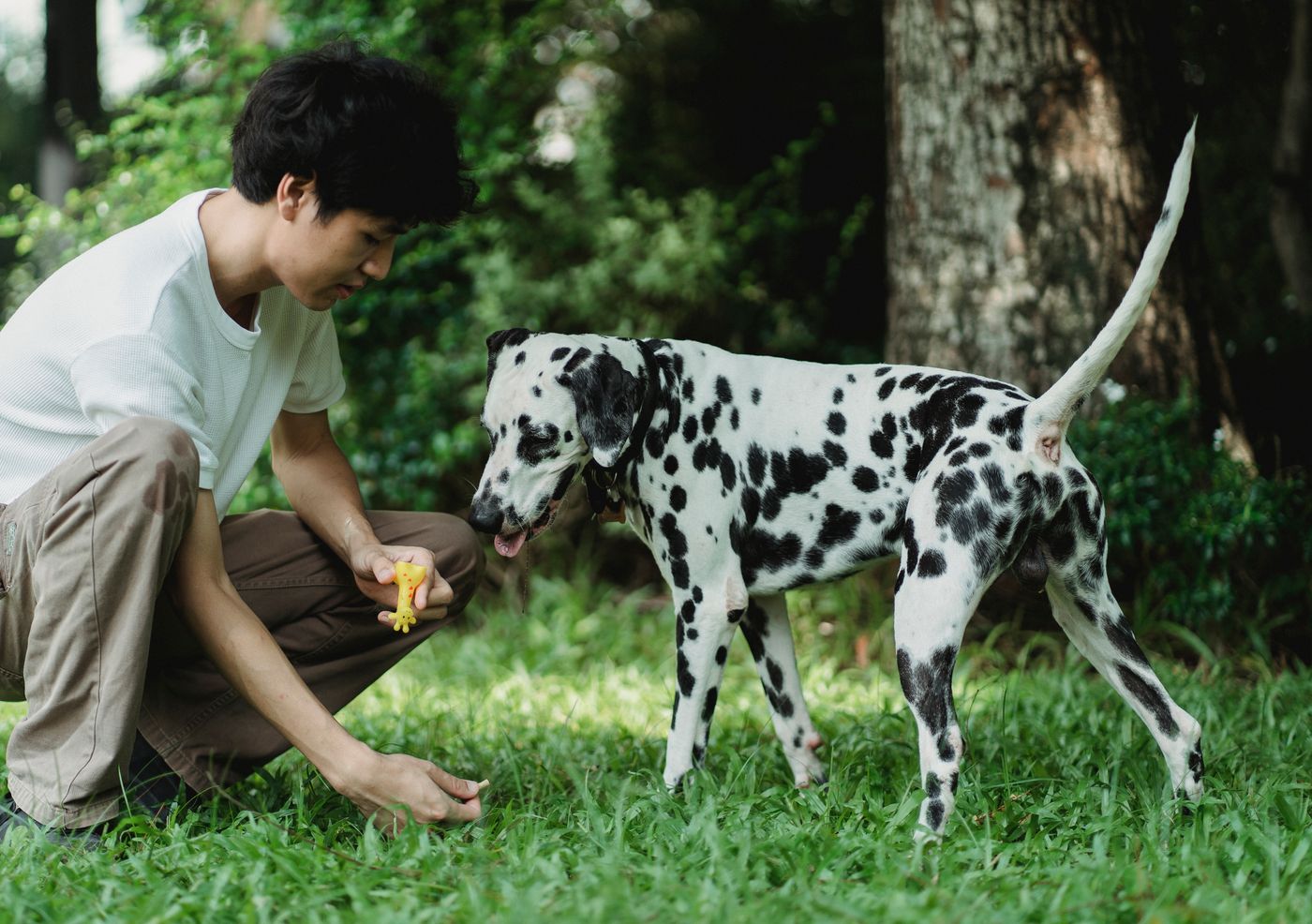
Practice standing calmly for handling
Brief, voluntary standing practice can make ordinary care easier without turning a still dog into permission for unlimited handling.
Read the guide ↗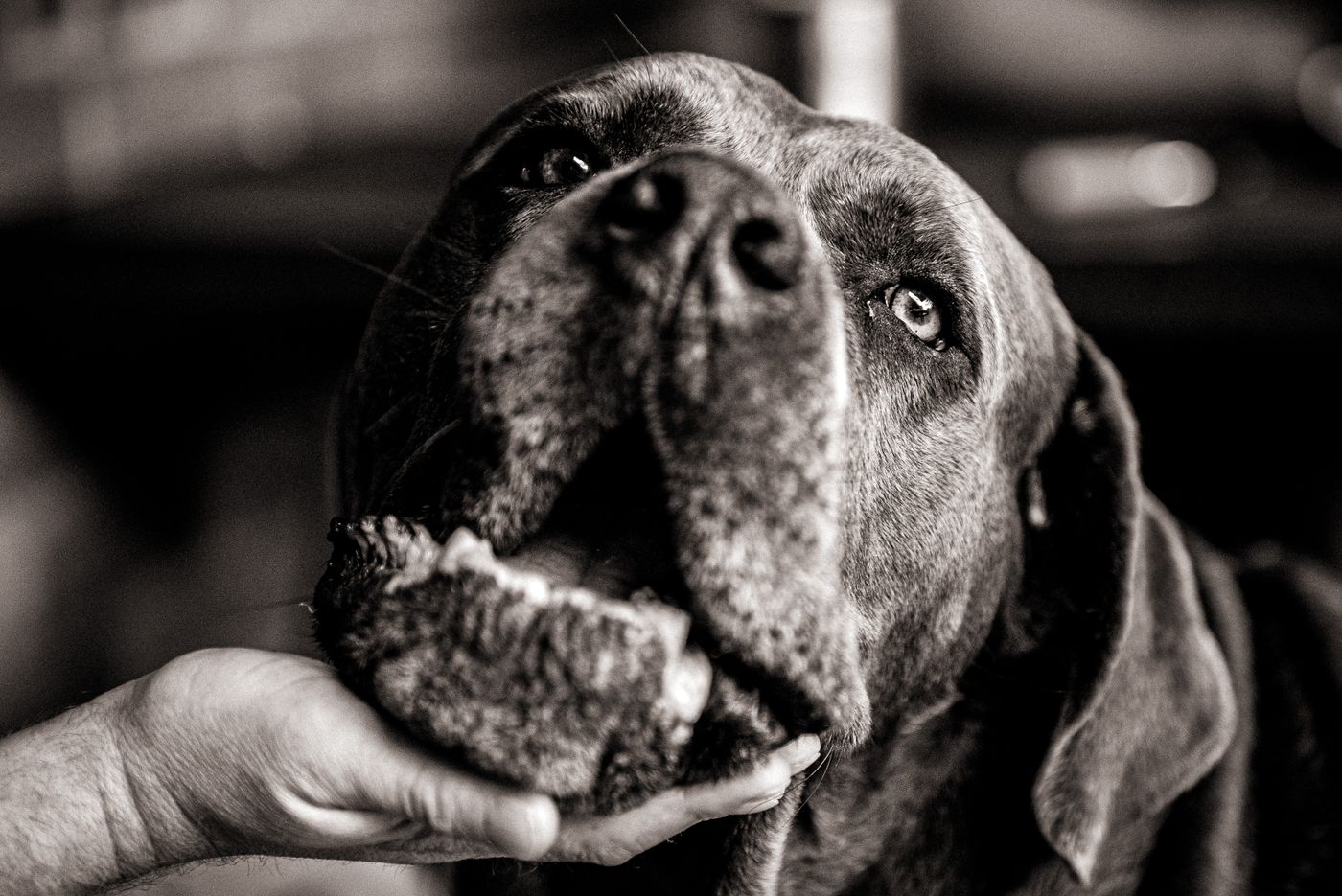
Introduce a chin rest for gentle handling
A voluntary chin rest can give routine handling a clear starting point, as long as lifting the head genuinely pauses the activity.
Read the guide ↗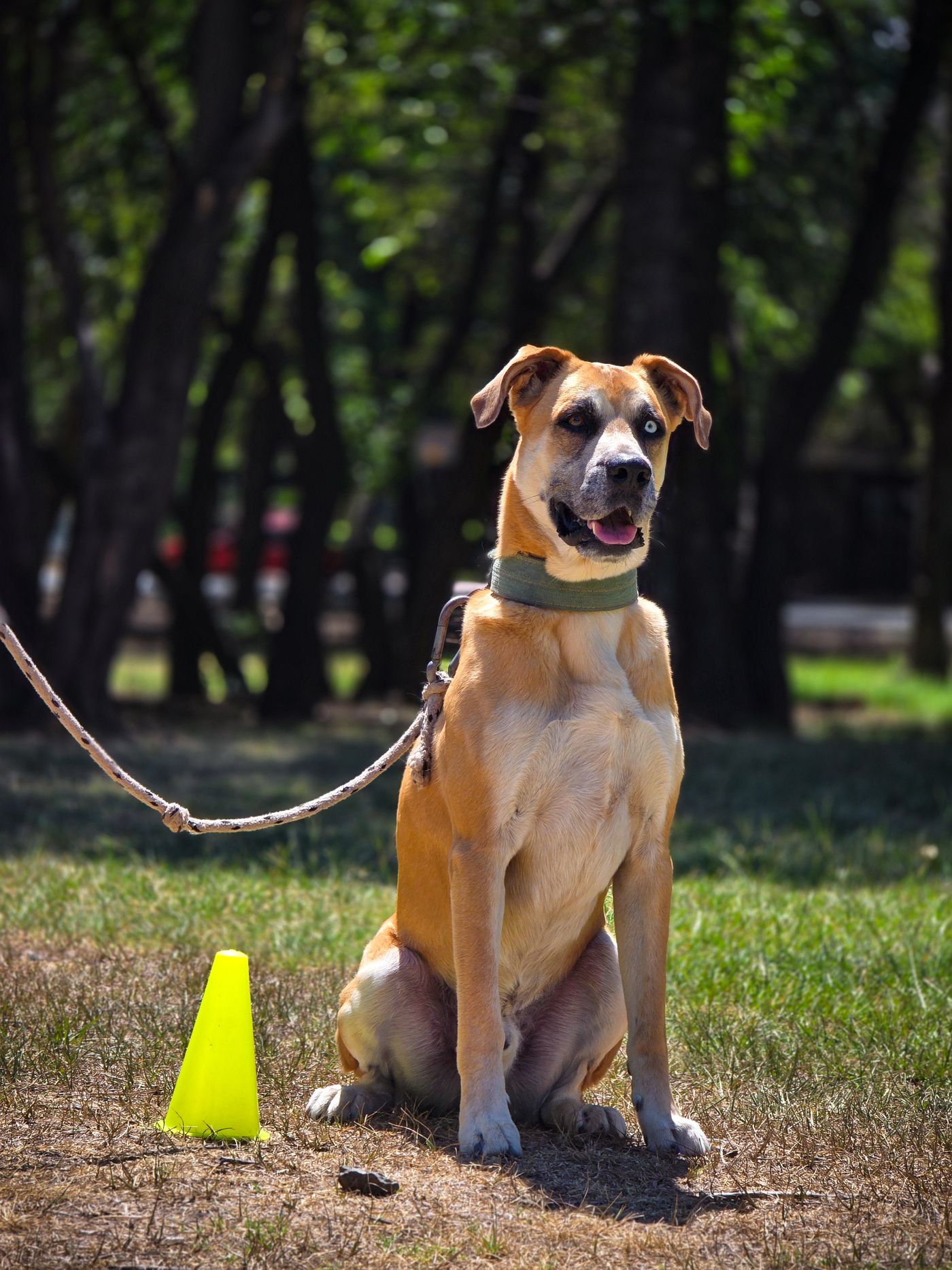
Teach a dog to go around an obstacle
Going around a stable object is a simple movement game that can build communication without jumps or fast turns.
Read the guide ↗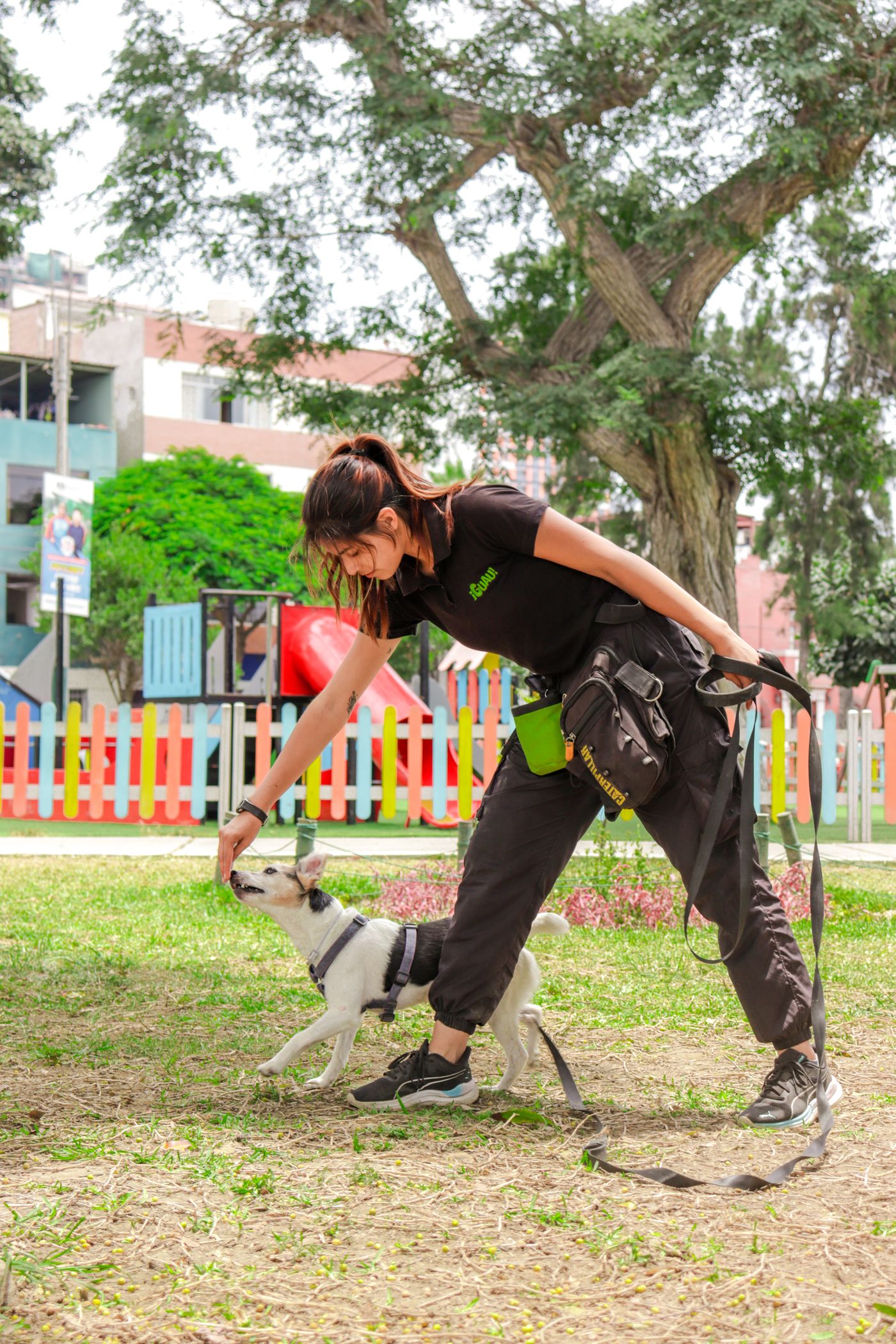
Add a new training location gradually
A familiar cue can feel new in a different place. Make the first repetitions there easier instead of assuming the skill has disappeared.
Read the guide ↗