Look at the entrances first
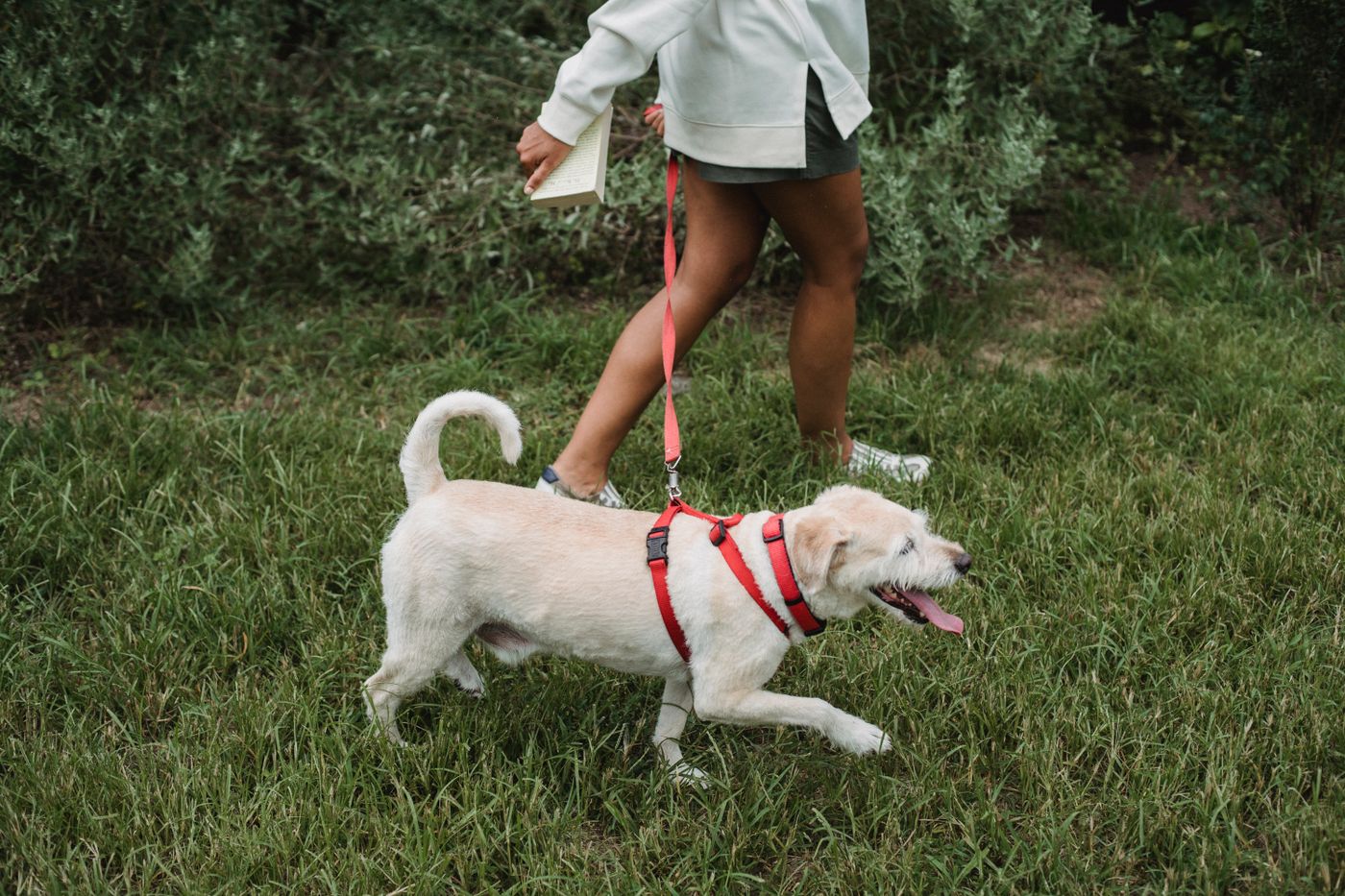
A large park may still funnel every visitor through one narrow gate. Before planning a walk, check how people enter, where paths meet and whether dogs are allowed in the areas you want to use. A quieter side entrance can be useful if it has a safe approach and does not lead straight into a crowded enclosure. Do not use a restricted gate just because it appears convenient.
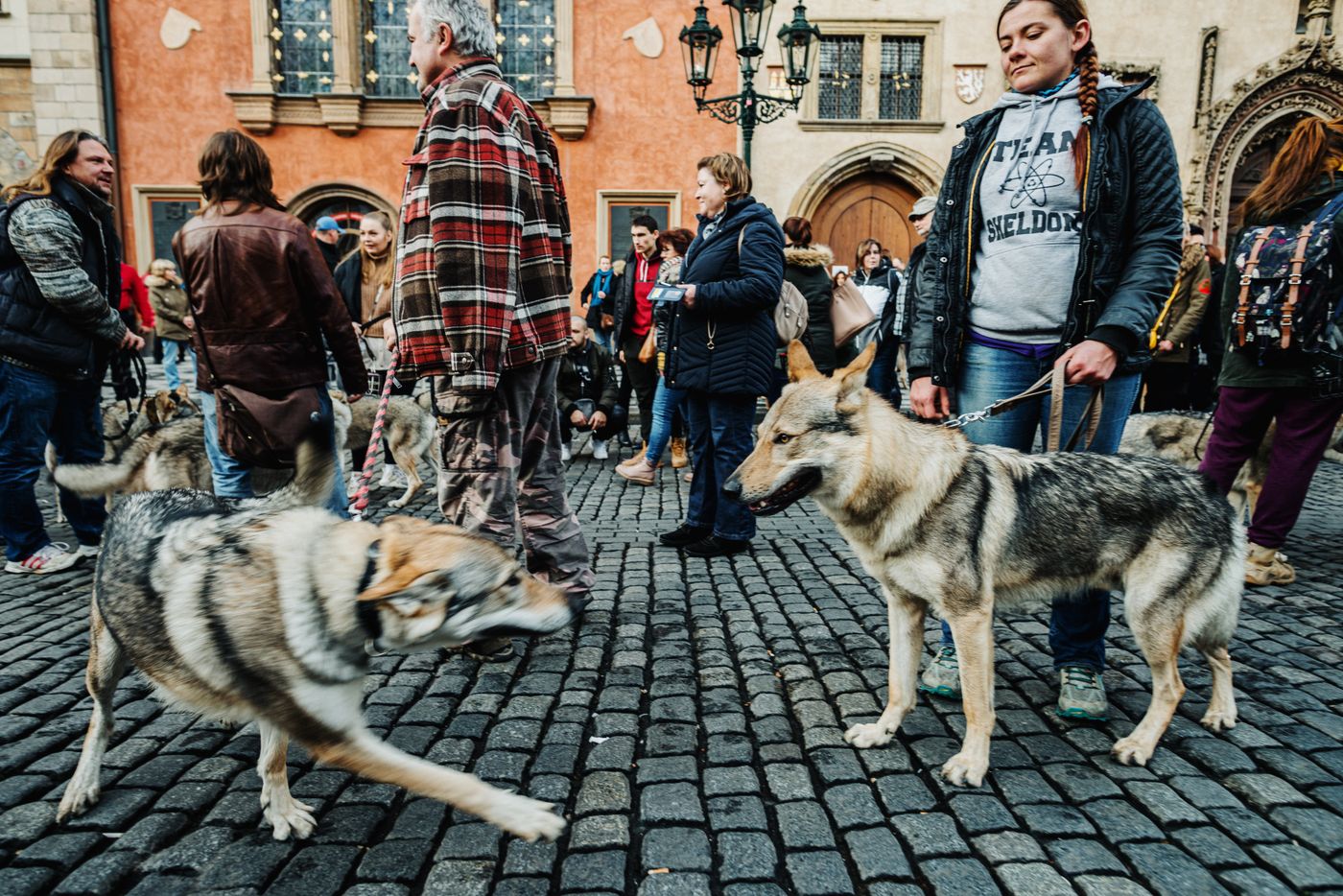
If possible, observe the park without your dog at the time you intend to visit. School departures, organised exercise sessions and weekend sports can change the atmosphere quickly. A short observation tells you more about your actual route than a photograph taken on a quiet morning.
Choose an outing with room to change course
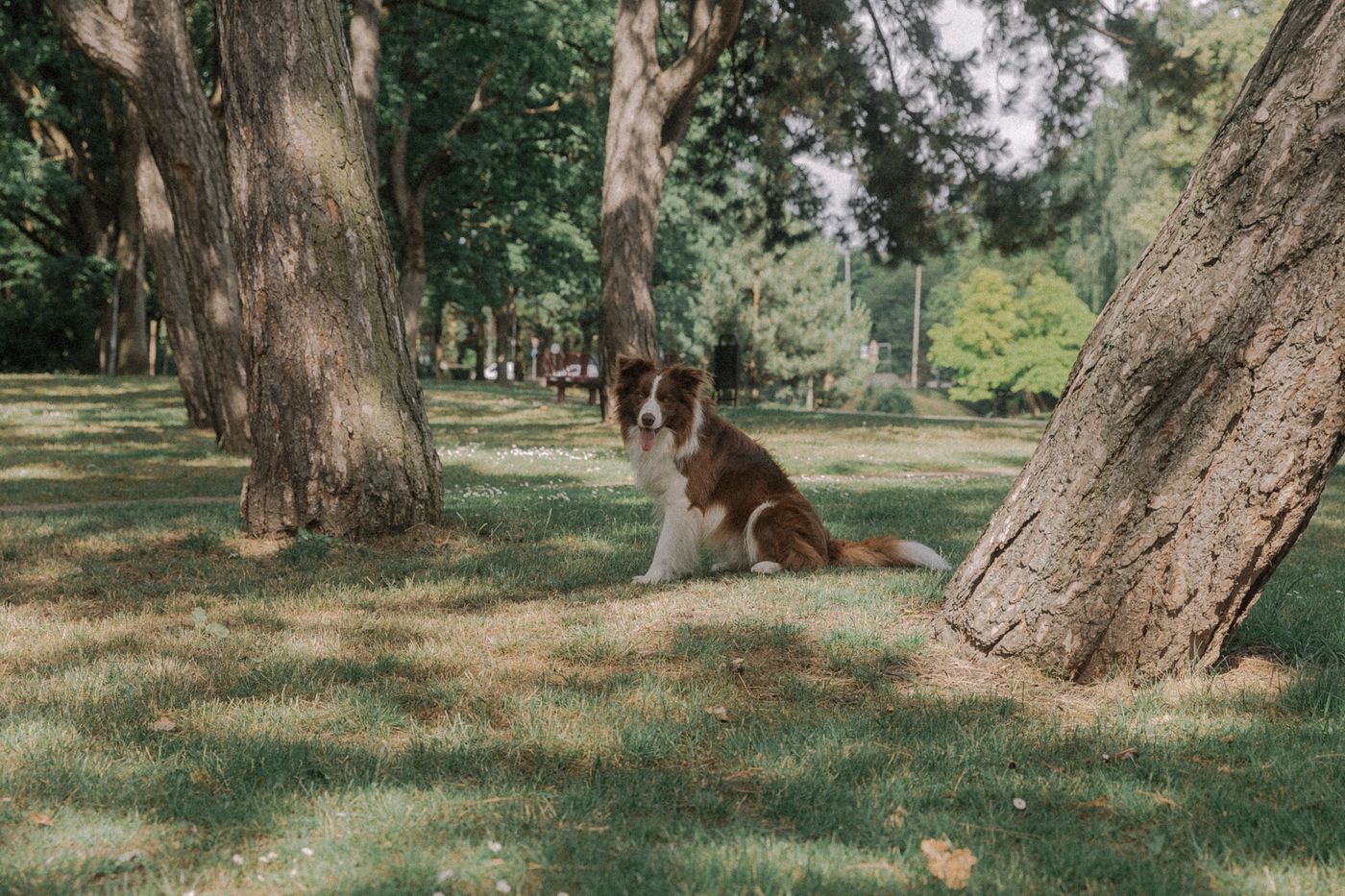
Plan a small loop that avoids bottlenecks. Identify somewhere you can turn away before reaching a busy junction, rather than relying on passing closely through it. An open area is useful only when the rules and surfaces allow you to use it; sports pitches and planted borders may be off limits.
When you arrive, reassess. A maintenance vehicle or an unexpected gathering may make today unsuitable. You can choose another route without first making your dog prove that the park is too difficult. If you do enter, leave room between your dog and other visitors rather than walking straight into the centre of activity.
Record the useful details, then stay flexible
Notice where your dog could sniff comfortably and where you had to manage repeated interruptions. Write down a practical observation such as “the east path was quieter before the football session” rather than labelling the whole park good or bad. Seasonal access rules and daylight will also affect the choice.
Quieter does not always mean safer. Avoid isolated, poorly lit routes that make you uncomfortable, and keep clear of machinery or wildlife-sensitive areas. A predictable pavement walk may be a better option than a park visit that requires too many compromises. The aim is a route both of you can use comfortably.