Choose a place where slowing down is practical
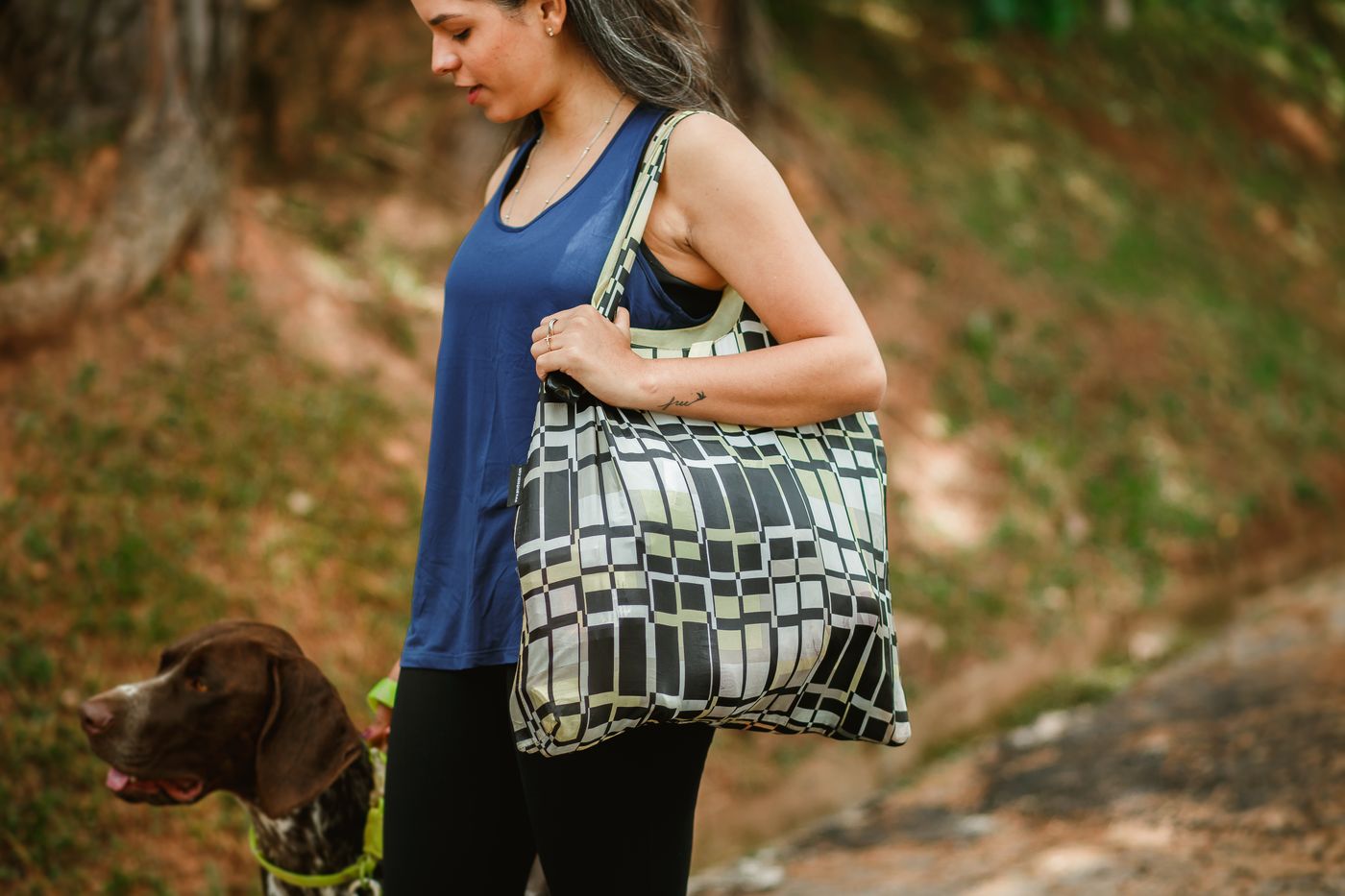
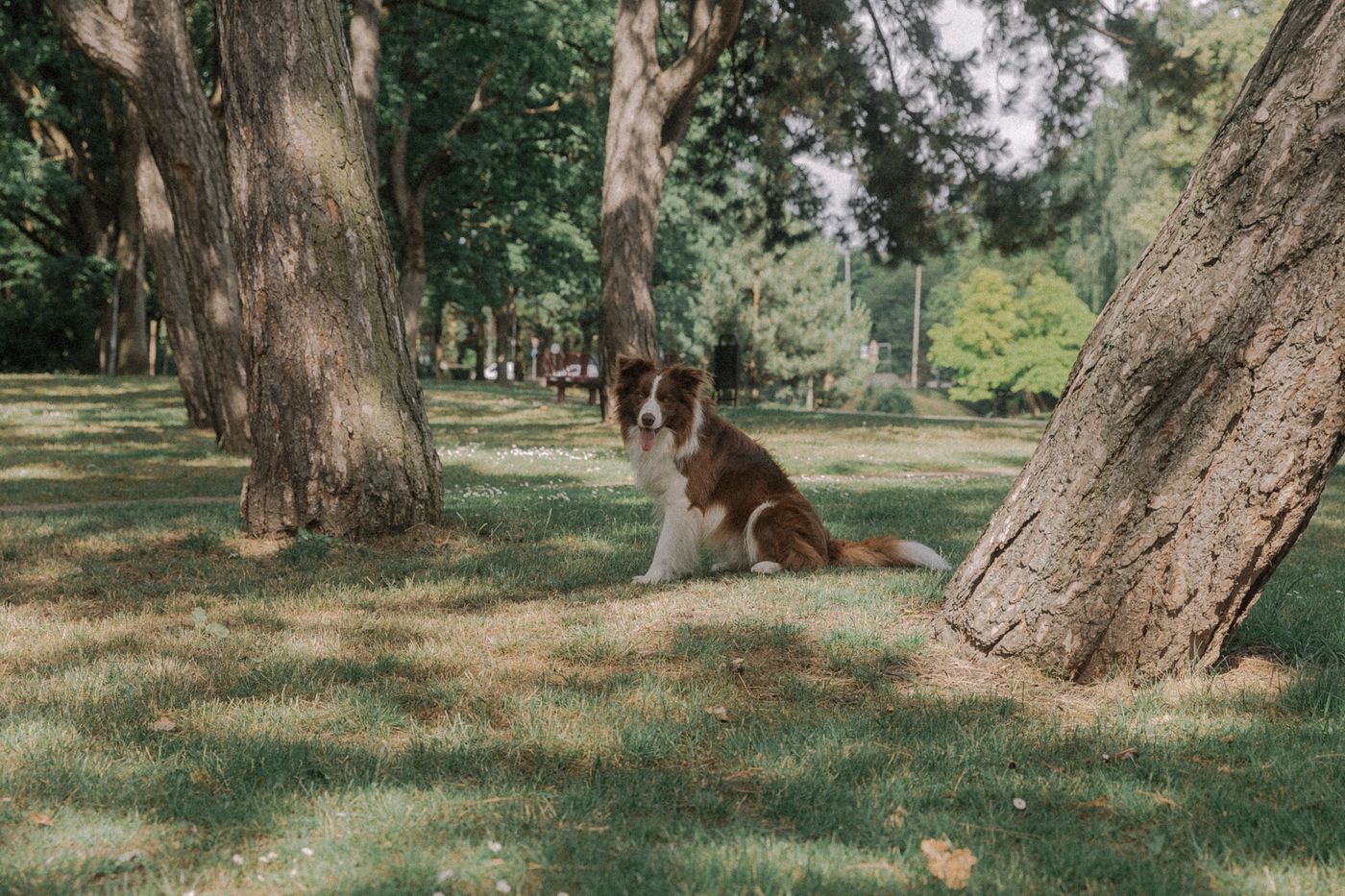
A sniff walk works best on a quiet route with enough room to step aside. A narrow pavement beside fast traffic makes it difficult to linger safely, even if your dog finds the verge fascinating. Start with a familiar patch of grass, a broad path or a calm street where dogs are permitted.
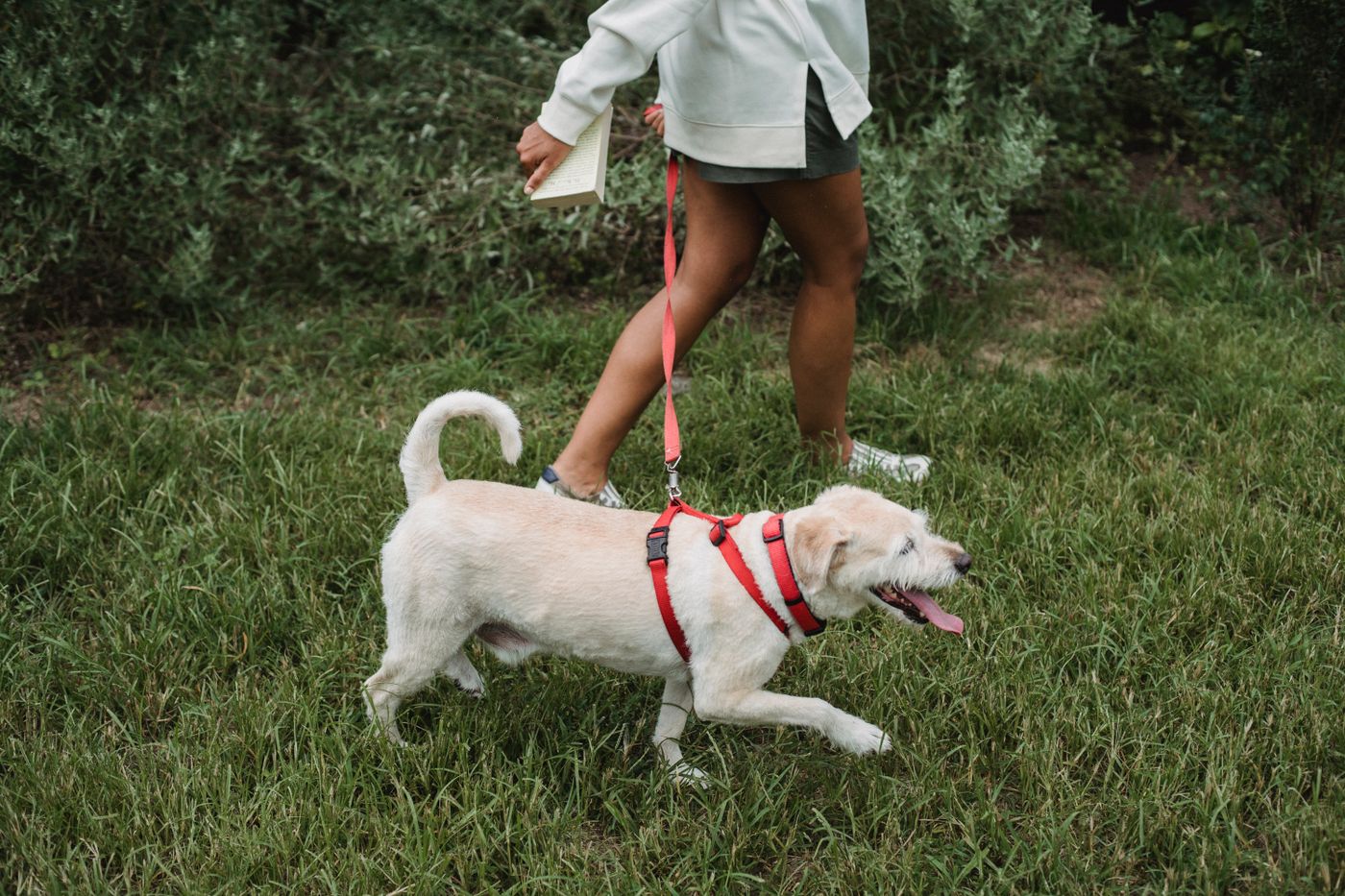
Check conditions before leaving. Hot surfaces, poor visibility and loose dogs can change an otherwise suitable route. Use a comfortable, well-fitted harness or collar and a lead you can manage without creating a trip hazard. Longer equipment is only useful when the setting gives you room to use it responsibly.
Follow interest within safe boundaries
When your dog stops to investigate an appropriate spot, stop too. You do not need to name each smell or keep requesting a sit. Watch the lead: stepping closer can remove tension without giving access to the road, discarded food or another animal.
Think of the outing as shared choices. Your dog can choose between safe patches of grass; you still decide whether a crossing is clear or a route is allowed. Move away from litter, wildlife and private entrances. Sniffing does not make every object safe to approach or eat.
Make space before the walk becomes difficult
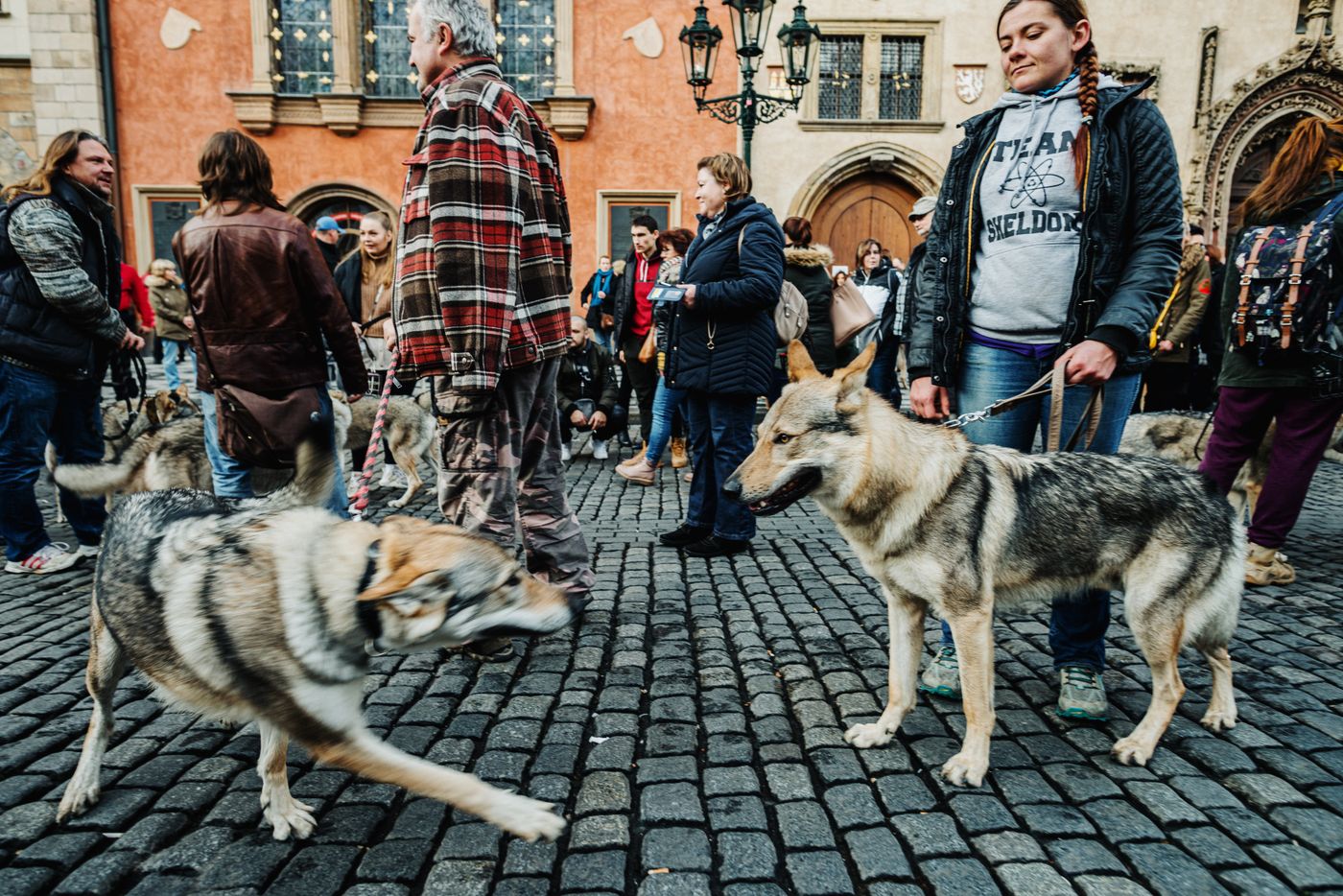
Notice changes in the whole dog rather than guessing from one movement. Repeated scanning, freezing, pulling away or difficulty disengaging can be reasons to create more distance from a busy area. A dog absorbed in one smell may also need a gentle transition before you continue.
Use a familiar cue to move on, reward the response when appropriate and head towards an easier space. Avoid dragging the dog away to maintain a walking target. If your dog often struggles around other dogs or people, arrange individual support from a qualified reward-based professional rather than using a crowded walk as practice.
Finish with enough energy for the journey home
There is no useful universal distance or duration for every dog. Age, health, weather and the rest of the day all matter. Choose a short loop with an easy way back and end while your dog can still return comfortably. A slow outing is not a substitute for veterinary advice about suitable exercise.
Afterwards, consider which parts were easy to share. Perhaps a quieter departure time helped, or a shorter route offered better places to pause. Repeat that useful detail on the next outing instead of measuring success by the number of streets covered.