Notice the meeting before it is close
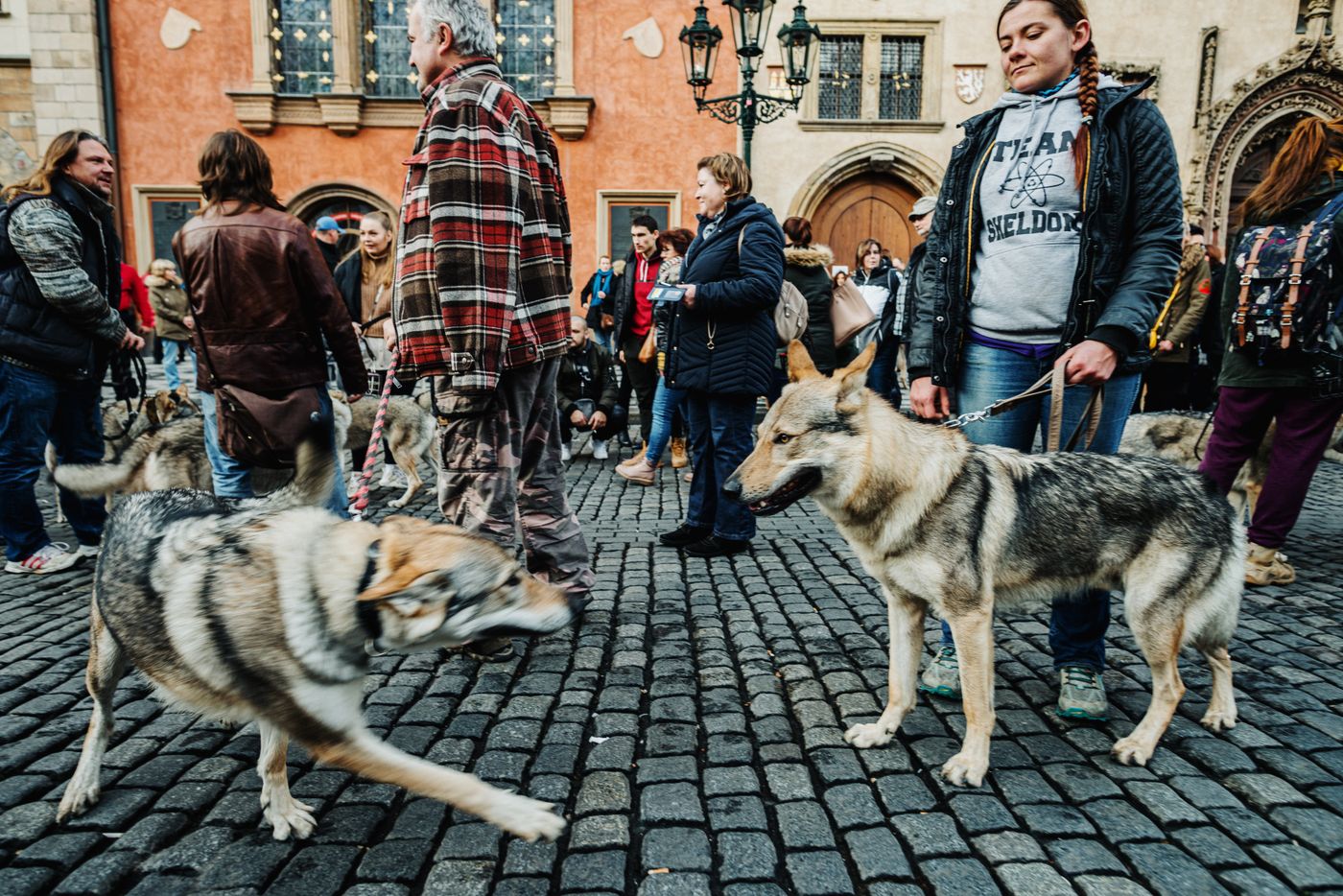
Look ahead for the next usable space: a wider verge, a side path or a safe place to cross. Make the decision while you can still change direction smoothly. Waiting until two dogs are nose to nose leaves fewer choices and often makes lead handling more awkward.
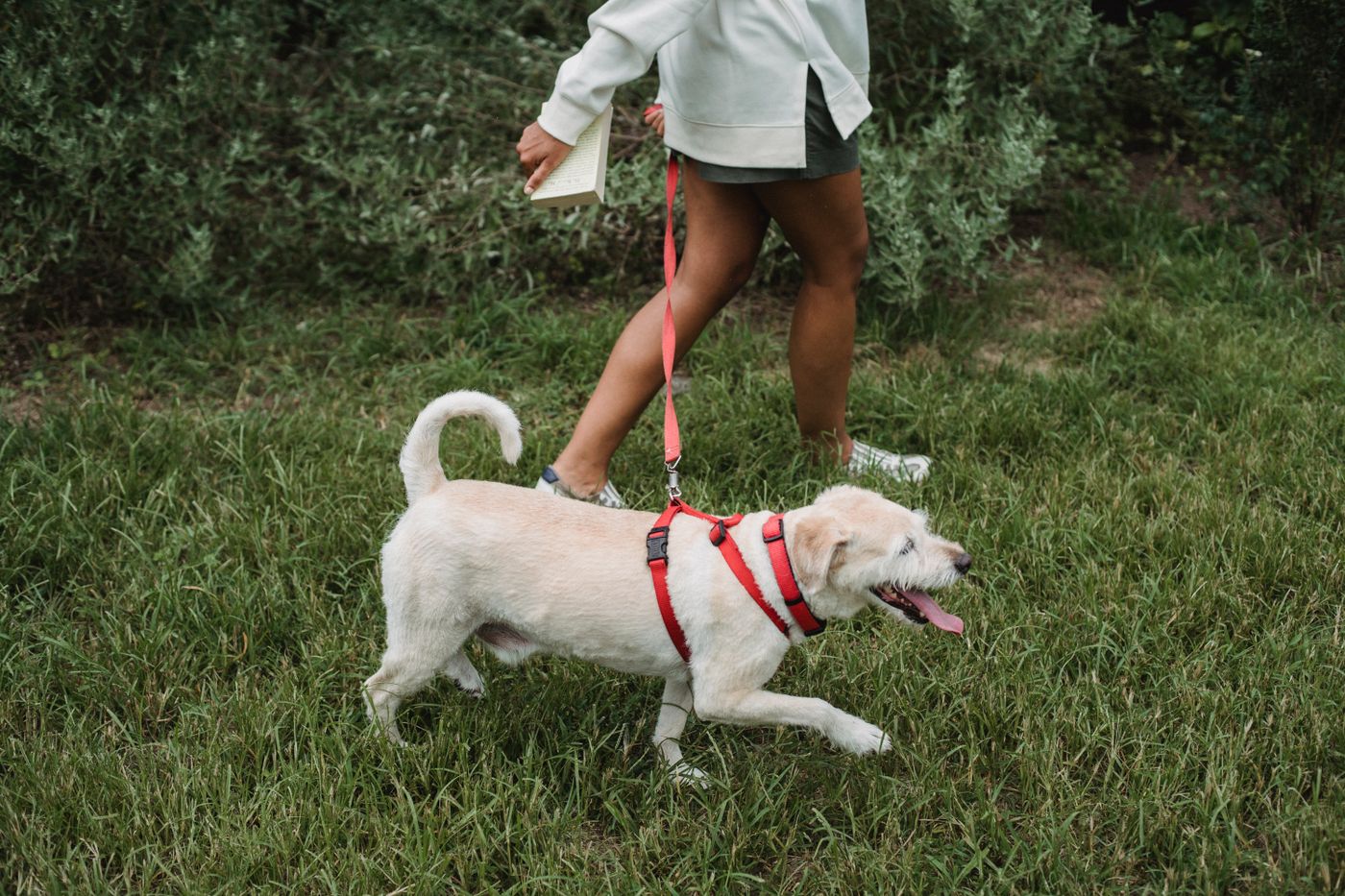
Keep your lead organised so it cannot tangle around legs, but avoid pulling your dog towards the other animal. Distance is something you arrange with the route, not something you ask your dog to produce while standing still in the middle of a narrow path. Respect the other handler’s request for space even when your own dog seems interested.
Choose one clear movement
You might cross a quiet road when it is safe, move onto a permitted wider area or turn back towards a junction. A gentle arc often gives more breathing room than walking directly at another dog. If there is no safe passing space, pause farther away and let the other pair clear the narrow section first.
Use a familiar cue to bring your dog with you and reward the response where appropriate. Keep the reward close to your own dog rather than encouraging both dogs to gather around food. A brief “we need a little room, thank you” can help the other person understand what you are doing without starting a long conversation.
Review what made the pass manageable
Once there is room again, allow your dog to return to the outing instead of immediately asking for a string of exercises. You can note the distance and setting that worked. A successful pass may simply mean both dogs continued without meeting; social contact is not a requirement of every walk.
If your dog repeatedly becomes distressed, lunges or cannot recover from seeing other dogs, reduce these encounters while arranging veterinary and qualified reward-based behaviour advice. Practising in increasingly crowded places is not a useful substitute for individual support. For everyday walks, choose routes where creating distance is realistically possible.