Offer a surface worth lying on
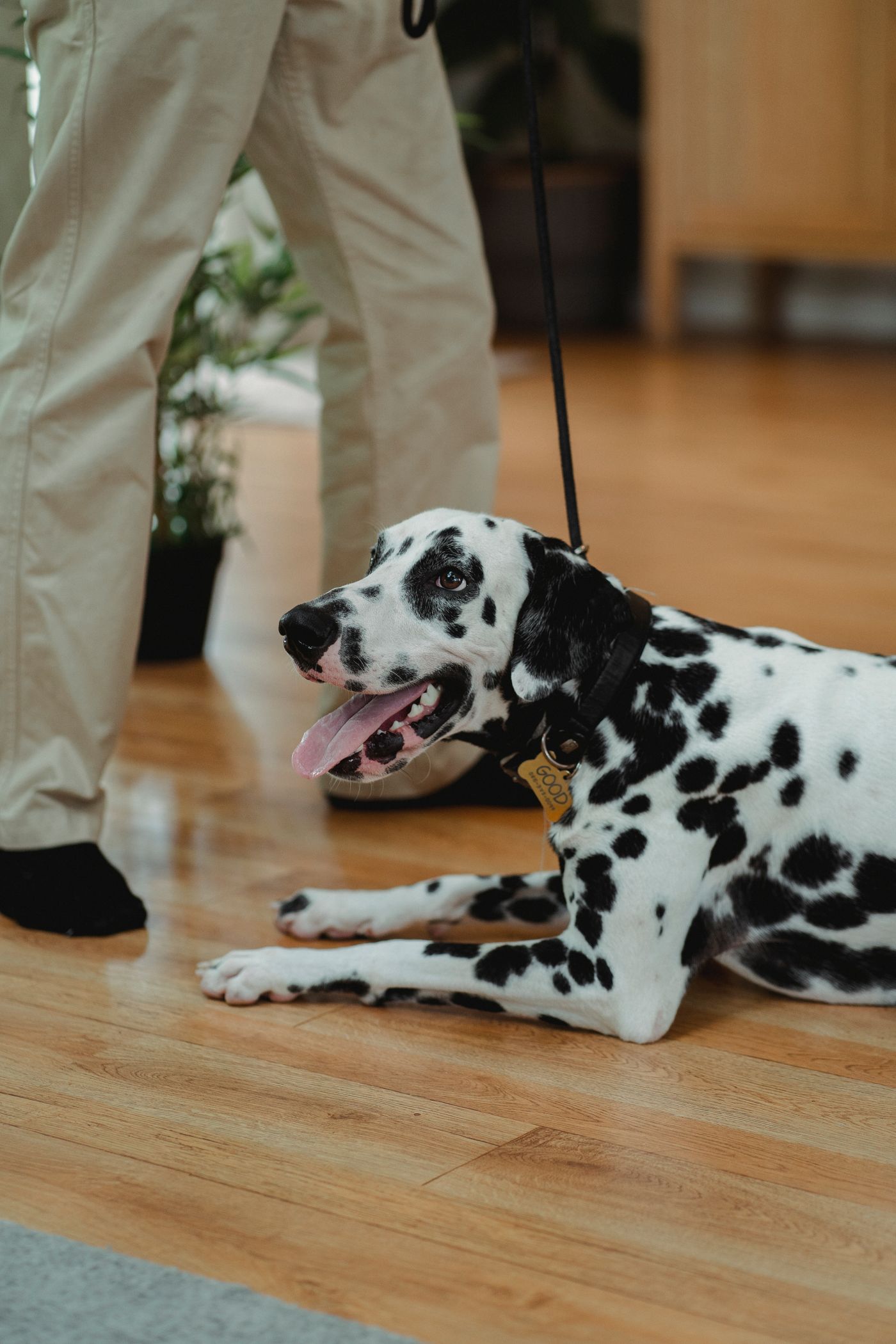
Use a stable mat or rug with enough room for the dog's full body. Avoid an area where furniture blocks the elbows or another pet might interrupt. Some dogs naturally lie down while you sit quietly; marking and rewarding that movement can be an uncomplicated start. Place the reward where the dog can receive it without immediately standing again. Keep the first attempts brief, particularly if the position is unfamiliar in a training context.
Follow a small movement toward the floor
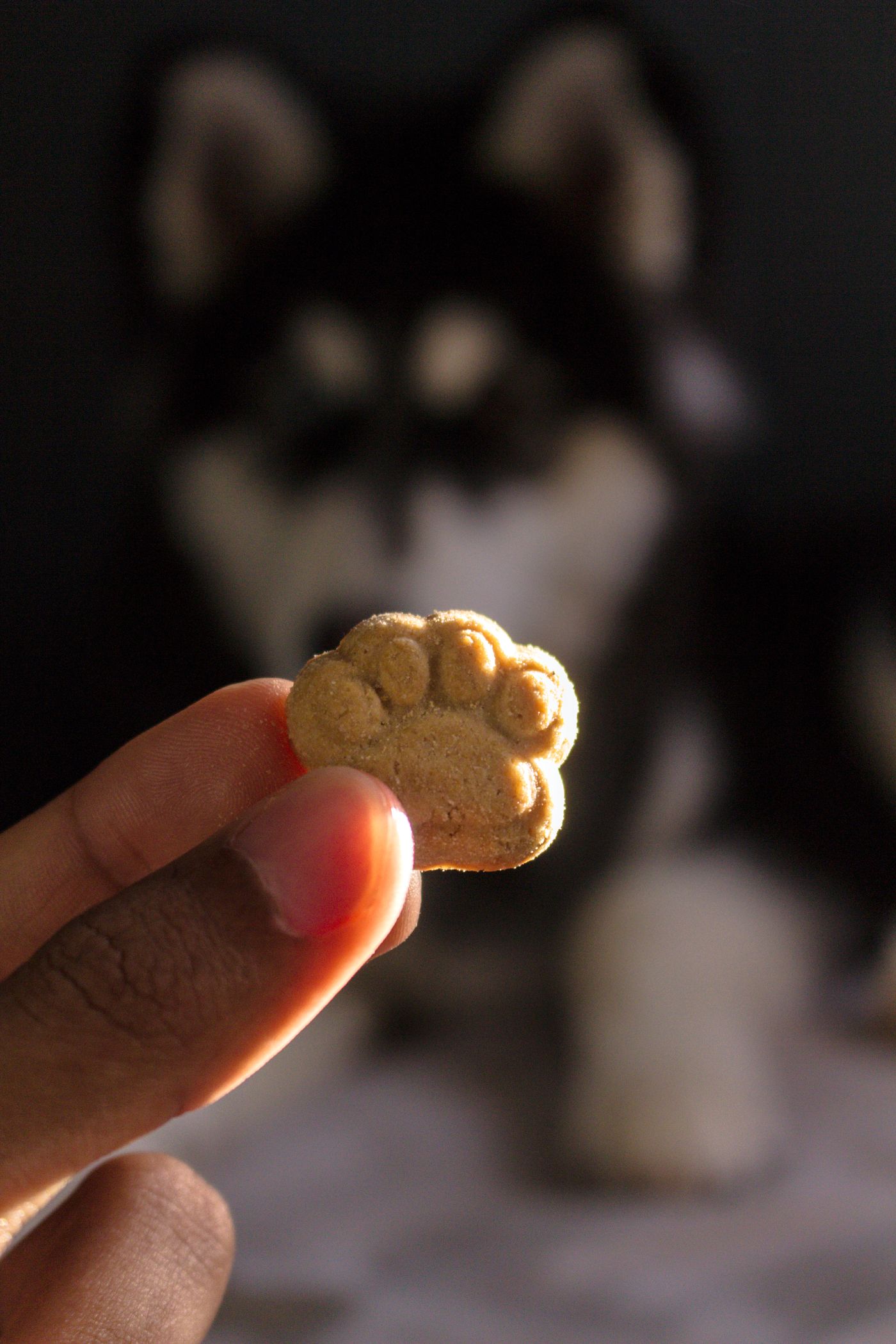
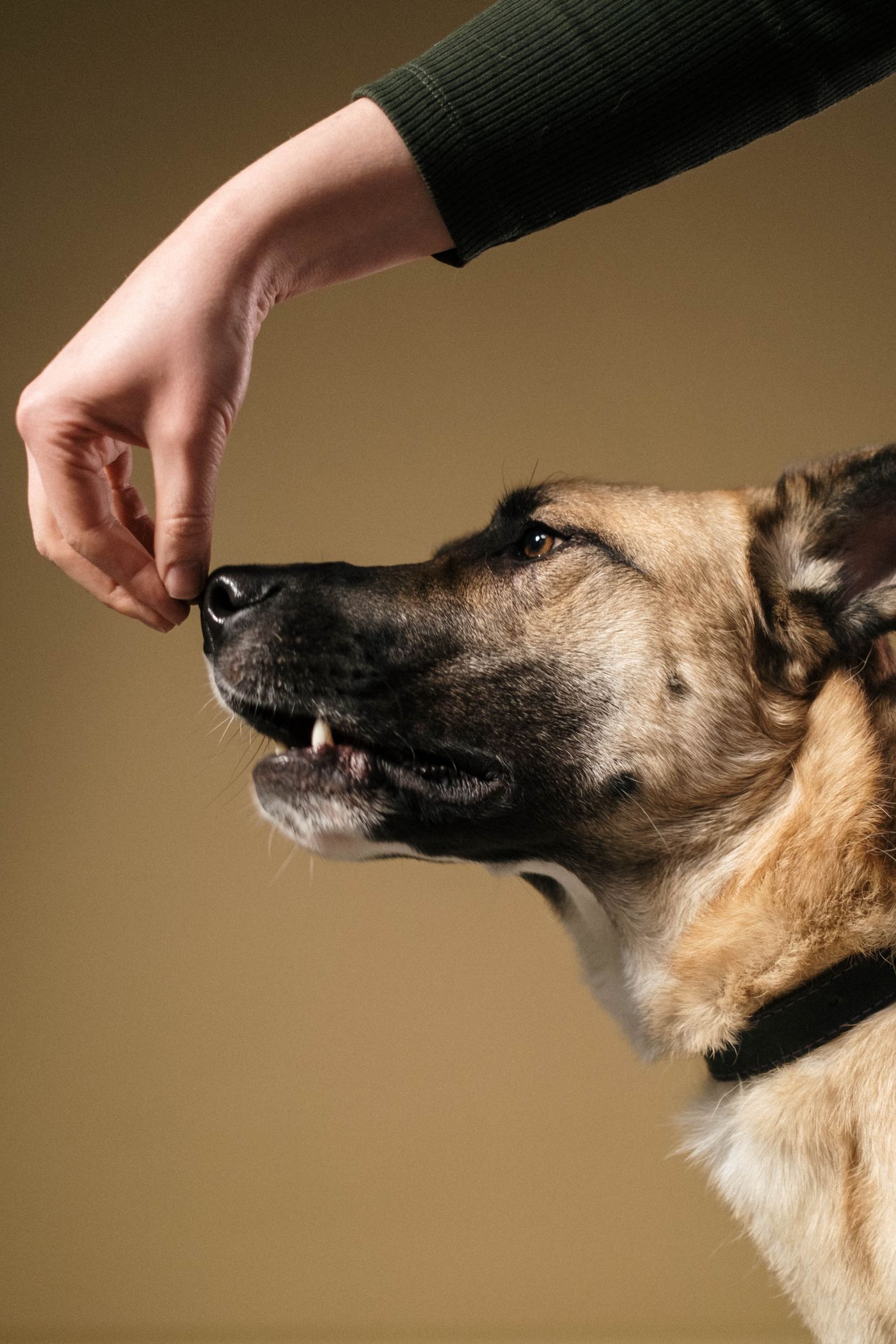
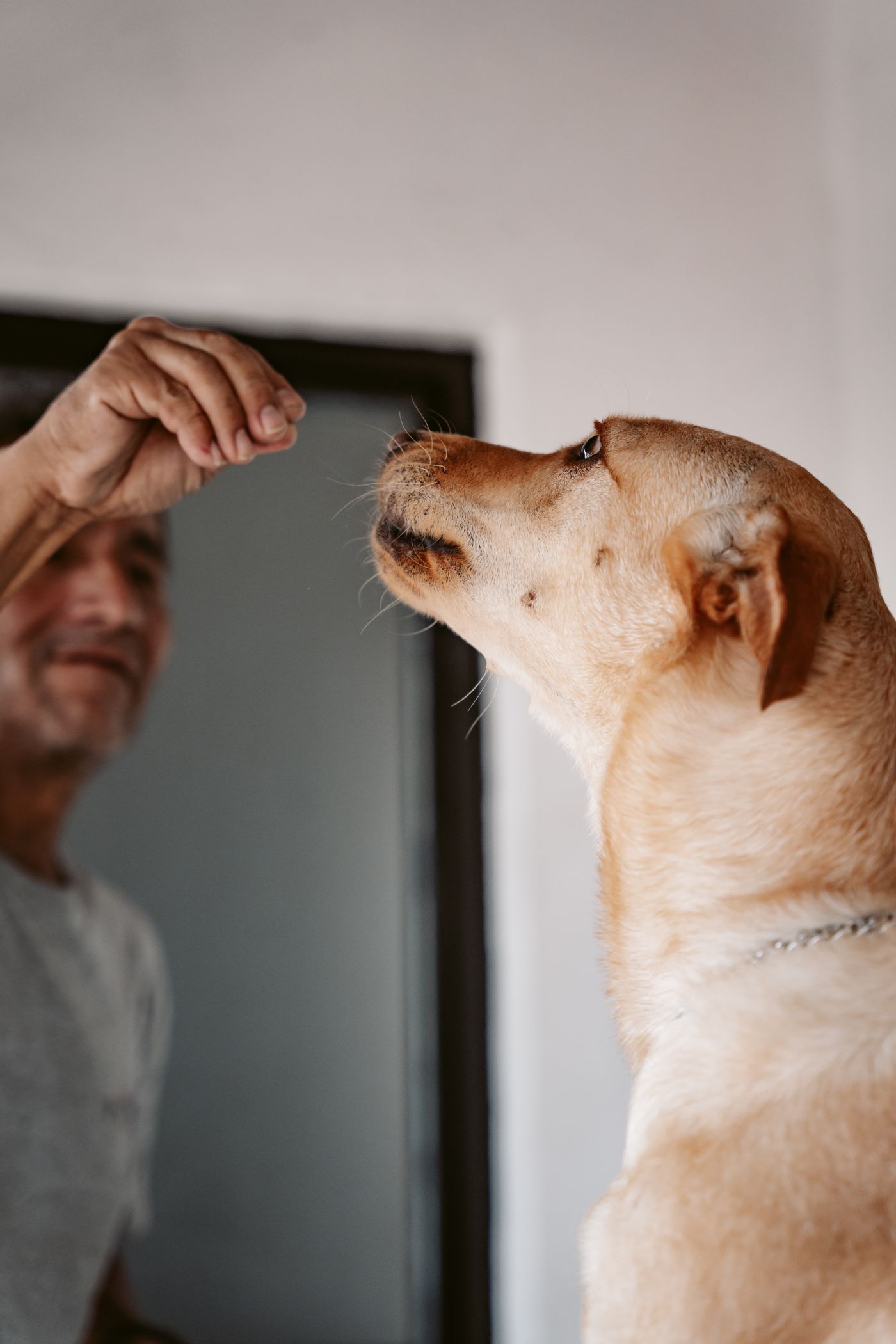
If using a food lure, move it slowly from near the dog's nose toward the surface and slightly forward. Reward manageable progress rather than dragging the food far away and hoping the dog collapses into position. A dog who keeps standing may need a different starting posture or a more comfortable surface. Do not pull front legs forward or press the shoulders. Allow the dog to reset freely between attempts.
Build the full behavior before adding demands
Once lying down is easy to predict, add a short cue just before the familiar movement. Reduce the lure gradually while still paying for successful responses. At first, reward getting into position rather than expecting the dog to remain there while you walk away. Duration and distance are separate lessons. Introduce a clear release so the dog does not have to guess whether each reward means the exercise has finished.
Keep comfort part of the decision
A down on a mat at home does not automatically transfer to a noisy cafe floor. Bring a suitable surface and start with a much easier expectation in a new place. If the dog cannot relax, choose a quieter location or leave instead of holding the lead tight to keep them down. A sudden reluctance to lower or raise the body deserves veterinary attention; obedience practice is not a way to investigate possible discomfort.